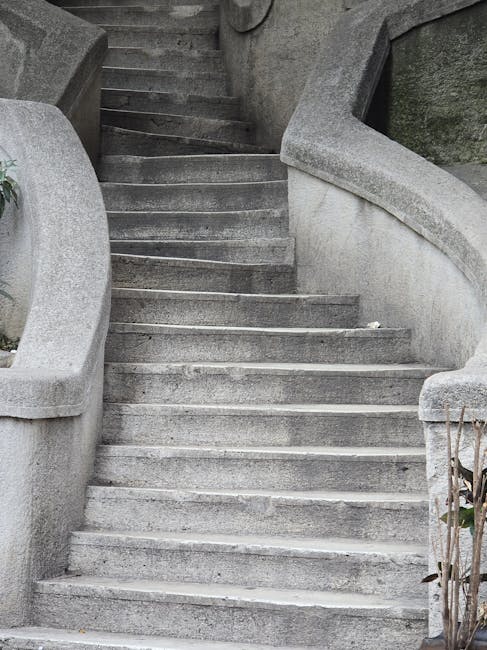
Staircase challenges: Moving bulky items on Kingsbury terraces
Posted on 18/06/2026
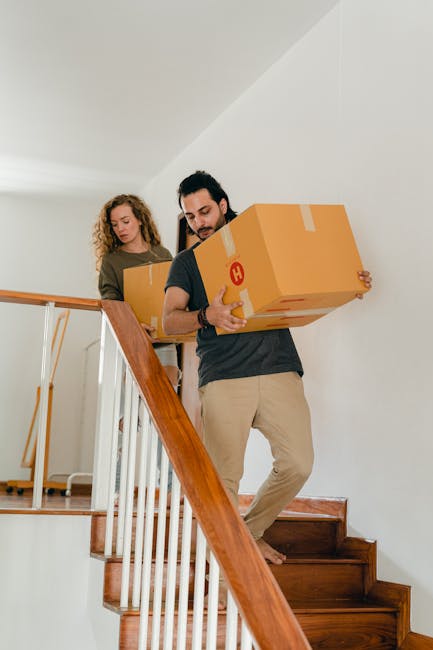
Staircase Challenges: Moving Bulky Items on Kingsbury Terraces
Anyone who has tried to carry a sofa, wardrobe, mattress, or piano up a narrow terrace staircase knows the feeling: one awkward turn, a tight landing, and suddenly the whole move slows to a crawl. In Kingsbury, where terraces and older homes often bring compact stairwells, low ceilings, and awkward angles, staircase challenges when moving bulky items are not a small annoyance. They can decide whether a move feels controlled or chaotic.
This guide looks at the practical side of moving large items on Kingsbury terraces: what makes staircases difficult, how professionals plan around them, which tools actually help, and when it makes sense to get specialist support. You will also find a checklist, a comparison table, and realistic advice for avoiding the sort of mistake that makes everyone stand in silence for a few seconds and then say, "Right... this is going to be interesting."
Why Staircase Challenges on Kingsbury Terraces Matter
Terraced housing has a lot going for it, but stair access is rarely generous. You may be dealing with a staircase that turns sharply halfway up, a narrow hallway just before the stairs, or walls that sit far too close for comfort. Bulky furniture does not forgive those limitations. It catches on bannisters, scrapes paintwork, twists awkwardly, and can become dangerously unstable if handled the wrong way.
In practical terms, staircase difficulties affect more than speed. They affect safety, item condition, and the overall cost of a move. A single failed attempt to move a large wardrobe can lead to damage on the item, the stairwell, or both. It can also turn a simple house move into something much more stressful than it needed to be.
For Kingsbury residents, this matters especially when moving between flats, maisonettes, or older terrace properties where access is less predictable. Some homes have compact staircases with limited turning space. Others have communal hallways or shared entrances that make a two-person carry feel like a puzzle. If you are moving in a hurry, the pressure rises fast.
That is why many people choose to plan bulky-item moves in stages, rather than trying to force everything through the stairs in one go. It sounds obvious, but in the moment it is easy to underestimate just how much room a sofa really needs. We have all seen the "it might fit if we angle it" approach. Sometimes it works. Sometimes it absolutely does not.
How Moving Bulky Items Through Terrace Staircases Works
The basic process is simple enough: measure, prepare, lift, angle, guide, and protect. The reality is a bit more nuanced. Bulky items rarely move in a straight line. They need enough turning space at the bottom, middle, and top of the staircase. If any one of those points is too tight, the whole movement becomes a controlled negotiation with gravity.
Professionals usually begin by identifying the item's largest dimensions and comparing them with the narrowest point on the route. That route includes doors, hallway corners, landings, and the staircase itself. A sofa may fit through a front door but fail at the first turn. A mattress may look simple, yet on a narrow terrace stair it can bend awkwardly and block the whole path.
The real work comes from choreography. One person guides from the top or front, another controls the lower end, and both keep the item balanced while moving in small increments. That is where the familiar moving terms like pivoting, tilting, and carrying on edge come into play. None of this is glamorous. It is slow, careful, and often slightly sweaty. Truth be told, that is usually a good sign. Fast is not always safe.
On terrace staircases, the job often becomes easier when the move is broken into phases:
- clear the route completely
- remove anything fragile from walls, shelves, and hall corners
- wrap the item to protect surfaces and improve grip
- identify the best turning angle before the lift begins
- pause at landings rather than forcing a continuous carry
- keep communication short and clear, especially on stairs
If the item is unusually heavy or awkward, specialist equipment may be used. This can include furniture dollies, lifting straps, shoulder harnesses, sliders, protective wraps, and extra blankets. Some items also need partial dismantling first. A dining table with removable legs, for example, may be manageable once broken down, but is a headache in one solid piece.
Key Benefits and Practical Advantages
Planning properly for staircase moves is not just about avoiding disaster. It has clear practical advantages, and the best ones show up right away.
- Less damage to furniture - Padding, wrapping, and careful manoeuvring help avoid scuffs, crushed corners, and torn fabric.
- Lower risk of injury - A staircase is a bad place to improvise. Controlled lifting reduces strain on backs, shoulders, and wrists.
- Better use of time - A planned route is often quicker than repeated failed attempts, even if it feels slower at the start.
- Reduced stress - A move feels calmer when each item has a plan. That may sound soft, but it really matters on the day.
- Cleaner stairwells and walls - When items are wrapped and guided properly, paintwork and plaster are less likely to suffer.
There is also a subtle benefit people miss: confidence. Once you know the route, the measurements, and the handling method, the whole move feels more manageable. You stop guessing. You start executing. That shift matters, especially when moving several bulky items back to back.
For some households, the biggest gain is avoiding disruption to neighbours. A calm, organised move causes less noise, less repeated repositioning, and less standing around in communal areas. In a terrace street, that kind of courtesy goes a long way.
Who This Is For and When It Makes Sense
This approach is for anyone moving large household items through a difficult staircase, but it is especially relevant if you live in a terrace, flat conversion, maisonette, or older property in Kingsbury. It is also useful if you are moving furniture into storage, delivering an item after purchase, or shifting one heavy object rather than a full house.
It makes sense when:
- the staircase is narrow or curved
- there is limited landing space
- the item is bulky, heavy, or fragile
- the walls, banister, or flooring are easy to damage
- you do not have enough helpers for a safe carry
- the move needs to happen on a tight timeline
Students moving into terrace flats often need this sort of help for beds, desks, and drawers. Families tend to need it for sofas, wardrobes, and mattresses. Office or small-business moves may need it for filing cabinets, desks, or specialist kit. If you are trying to move something like a piano, the difficulty rises sharply, and specialist handling becomes much more sensible. There is a reason expert piano moving advice exists instead of "give it a go and hope for the best."
Sometimes the right answer is not to force the item upstairs at all. If it cannot be broken down safely, moved on its side, or carried without extreme risk, storage or an alternative access plan may be better. A little flexibility here saves a lot of regret later.
Step-by-Step Guidance
Here is the practical route we would use for moving bulky items on Kingsbury terraces. Nothing fancy. Just a clean process that reduces the chance of trouble.
- Measure the item and the staircase
Check height, width, depth, and any awkward protrusions such as handles or feet. Then measure the narrowest points on the route. Do not forget door frames and the swing of the front door. - Clear the path
Remove shoes, mats, coat stands, pictures, and anything else that may snag. Staircases need space, plain and simple. - Decide whether the item should be dismantled
Bed frames, tables, some wardrobes, and shelving units often become much easier once split into parts. If dismantling weakens the item or creates instability, leave it intact and reassess. - Wrap and protect
Use blankets, furniture covers, edge protectors, and tape where suitable. This helps protect both the item and the staircase. If you are moving sofas or mattresses, protective wrapping is worth the effort; long-term sofa care and storage guidance is also useful if the item will not go straight into its new place. - Assign roles before lifting
One person should lead, one should stabilise, and someone else can help clear the top or bottom landing. Clear roles prevent the awkward "I thought you were holding it" moment. - Test the turning points
Do a dry run with the item held low or loosely guided to understand where the tight spots are. Staircases often fool you. A corner that looks fine in daylight can be more awkward when the item is actually in motion. - Move in short, deliberate steps
Take breaks at safe points. Keep weight close to the body and do not rush the turn. Smooth beats fast. - Check for damage and stability at the end
Once the item is in place, inspect walls, floors, and the item itself. Fixing small issues early is a lot easier than discovering them later.
If the move is happening under time pressure, the process should still stay disciplined. A rushed move is often a messy move. Even a same-day job benefits from the same structure; that is why services like same-day removals in Kingsbury can be useful when the timing is tight but the job still needs proper handling.
Expert Tips for Better Results
A few small adjustments can make a huge difference on terrace staircases. These are the details that experienced movers tend to watch automatically.
1. Move the item vertically only if the shape allows it. Some pieces, like mattresses or tall bookcases, behave better on edge. Others become unstable when tipped. Know which category you are dealing with before the lift starts.
2. Use the staircase itself as part of the solution. On some jobs, a diagonal carry is better than trying to keep the item perfectly straight. The aim is not elegance; it is safe clearance.
3. Protect the highest-risk points first. That usually means corners, banisters, wall edges, and the top landing. A small amount of padding at the right spot can prevent a very annoying scrape.
4. Keep language simple. Short instructions work best: stop, lift, turn, wait, down. Long explanations on a staircase are not much help.
5. Think about the surface underfoot. If the stairs are polished wood, dusty, or damp, traction changes quickly. Shoes with decent grip and dry, clear treads matter more than people expect.
6. Plan the route out of the property as well as in. It is surprisingly common to spend all the effort on getting the item upstairs and then forget how it will come back down. Best to think both ways.
One more thing: if you are on your own, do not pretend that determination cancels out physics. It does not. solo heavy object lifting strategies can help with smaller items, but bulky staircase moves are a different beast entirely.

Common Mistakes to Avoid
Most staircase problems are avoidable. The trouble is that they are usually caused by very ordinary mistakes rather than dramatic failures.
- Skipping measurements - Guessing rarely ends well. Measure the item and the route, especially at the narrowest turn.
- Forcing an oversized item through a poor angle - If the item needs a different approach, pause and reset.
- Underestimating weight distribution - A wardrobe that feels manageable at floor level can become much harder on stairs.
- Not protecting walls and furniture edges - Scratches on a banister are easy to make and irritating to repair.
- Using too few people - A two-person carry is not always enough. Sometimes three is safer, sometimes specialist help is the better call.
- Ignoring the item's weak points - Handles, mirrors, feet, hinges, and glass panels need extra care.
- Rushing the final turn - This is where accidents often happen. The last corner is not the moment to hurry.
Another common mistake is forgetting that some bulky items should be stored instead of carried immediately. If your move is staggered, take a look at storage options in Kingsbury before making the staircase do more work than it should.
And if an item is no longer worth keeping, do not drag it through the stairwell just because it is there. Sometimes the smartest move is to dispose of it properly and start fresh. There is a decent guide on disposing bulky waste correctly in Kingsbury if that becomes the better route.
Tools, Resources and Recommendations
You do not need a van full of specialist kit for every move, but the right tools make awkward staircases far less hostile. The best choice depends on the item and the route.
| Tool or Resource | Best Use | Why It Helps |
|---|---|---|
| Furniture blankets | Sofas, wardrobes, table tops | Protects surfaces and improves grip |
| Heavy-duty straps | Large, solid items | Distributes weight better across the body |
| Furniture sliders | Floor moves before or after stairs | Reduces friction and protects flooring |
| Removal trolleys | Level access and short transfers | Speeds up movement where stairs are not involved |
| Protective film or wrapping | Mattresses, upholstery, painted surfaces | Limits dirt, moisture, and scuffing |
| Measuring tape | Route checks and planning | Prevents avoidable size mismatches |
For everyday moving jobs, packing materials matter too. Boxes that close properly, strong tape, and the right labels save time later. If you are getting ready for a move of any size, packing essentials for a house move are worth reviewing before the lifting begins.
Furniture-specific support can also reduce staircase pressure. Sofas, bed frames, and wardrobes all behave differently, so moving them is never quite the same job. If your move is mainly household furniture, furniture removals in Kingsbury may be a better fit than trying to handle every item individually.
For heavier or more delicate objects, specialist handling remains the safest route. Pianos are the classic example, but the principle applies to anything that is oversized, valuable, or awkwardly balanced. Piano removals in Kingsbury are designed around exactly this kind of risk.
Law, Compliance, Standards, or Best Practice
Moving bulky items through staircases is not usually about formal regulation, but there are still important safety expectations to follow. In the UK, common sense and basic workplace-style safety practice matter a great deal, even in a home move. If you are hiring help, the provider should work in a way that reduces the risk of injury and property damage.
That means using suitable lifting methods, not overloading people beyond what is sensible, and making sure the route is reasonably safe before work begins. Good practice also means protecting communal spaces, keeping access clear, and avoiding damage to shared walls, floors, or doors. If a building has specific access instructions, follow them. It is not worth trying to be clever with someone else's staircase, let's face it.
For customers, insurance matters too. A proper removal provider should explain what is covered, what is not, and how safety is handled on the day. If you want to understand the general approach better, insurance and safety information is a useful place to start. Likewise, if you prefer to review the service framework and expectations before booking anything, the services overview helps set the picture.
There is also a fairness point here. If a staircase is too tight for a bulky item, that is a physical limitation, not a failure of effort. Good practice is recognising the limit early and choosing the least risky route. Sometimes that means dismantling, sometimes storage, and sometimes specialist support. A sensible decision made early is usually the safest one.
Options, Methods, or Comparison Table
Different staircase situations call for different approaches. Here is a simple comparison to help you choose.
| Method | Best For | Pros | Cons |
|---|---|---|---|
| DIY with friends | Light to medium bulky items | Lower upfront cost, flexible timing | Higher risk of damage or injury if the staircase is tight |
| Partial dismantling | Wardrobes, bed frames, tables | Often improves fit and handling | Can add time and requires care to reassemble correctly |
| Specialist removal support | Large, heavy, fragile, or awkward items | Better safety, better control, less stress | Usually costs more than a casual DIY attempt |
| Storage before final delivery | Staged moves or limited access days | Reduces pressure and allows better planning | Requires a second handling step later |
| Same-day professional move | Urgent moves, last-minute access issues | Fast response, coordinated handling | Less time for preparation, so clear instructions matter more |
For many Kingsbury terrace moves, the best route is a hybrid: dismantle where sensible, protect where needed, and bring in help for the hardest pieces. That mix usually gives the best balance of cost and safety.
Case Study or Real-World Example
A typical terrace move might involve a two-seater sofa, a king-size mattress, and a wardrobe going from a first-floor bedroom down a narrow staircase with a right-angle turn at the bottom. On paper, the items sound manageable. In reality, the wardrobe is the problem.
The first attempt is often to carry it upright, which quickly exposes the landing width. The second attempt may involve tilting it slightly. That helps, but the banister still gets in the way. After a quick pause, the better solution is to remove the doors, take out the internal shelving, and carry the carcass separately from the loose parts. Suddenly the route becomes workable.
The sofa and mattress are more straightforward, but only after wrapping and route clearing. A mattress is easy to snag on a stair edge; a sofa arm can graze the wall if the person at the back loses the angle by even a few centimetres. With blankets, slow steps, and a clear lead person, both items make the trip without drama.
That is the real lesson. The move did not become easier because the items got lighter. It became easier because the method changed.
We have seen plenty of similar jobs where one extra bit of preparation saves the whole day. A customer in a terrace near Kingsbury may think the staircase is the obstacle, but quite often the real obstacle is starting without a plan. Small difference. Big result.
Practical Checklist
Use this checklist before moving bulky items on Kingsbury terraces:
- measure the item, doors, stair width, and landing space
- check whether the item can be dismantled safely
- clear the stairwell, hallway, and nearby walls
- protect corners, banisters, and vulnerable surfaces
- wear suitable footwear with good grip
- assign a clear lead person for instructions
- confirm how many people are needed for the carry
- wrap the item before lifting
- test the tightest turn before committing fully
- pause at safe points instead of forcing the movement
- have a fallback plan if the item does not fit
- inspect for damage once the move is complete
If the item is part of a larger move, do a little more planning around packing, cleaning, and timing. For example, decluttering before the move reduces the number of heavy items you need to wrestle upstairs in the first place. That can be a quiet lifesaver, honestly.
And if the move is tied to a rental change, especially a fast one, it can help to read up on what NW9 tenants should do for urgent moves so you are not trying to solve access problems and deadlines at the same time.
Conclusion
Staircase challenges on Kingsbury terraces are really about three things: space, weight, and planning. If you respect all three, bulky items can usually be moved safely without unnecessary stress. If you ignore them, even a simple sofa can become a stubborn, awkward little event.
The good news is that most of the risk can be reduced with a measured approach: prepare the route, protect the property, choose the right people or equipment, and do not force an item just because you are eager to get it done. That is the kind of practical discipline that saves time, money, and a fair bit of frustration.
Get a free quote today and see how much you can save.
And if your move feels a bit complicated right now, that is normal. Take it one staircase at a time. Most tricky moves become manageable once the first good decision is made.