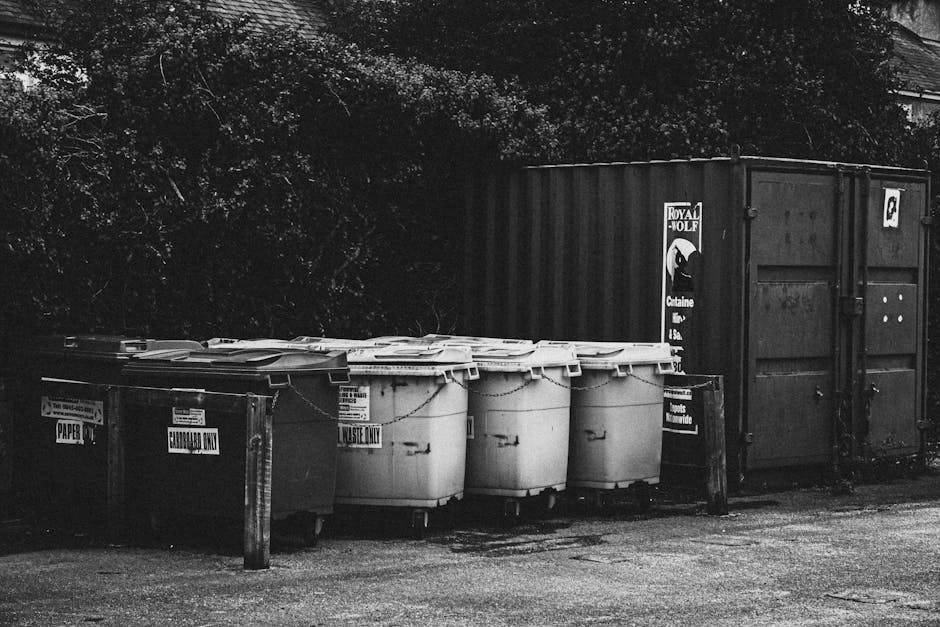
Avoid fines: Dispose bulky waste in Kingsbury correctly
Posted on 22/05/2026
If you are staring at an old sofa in the hallway, a broken wardrobe in the spare room, or a mattress that has been leaning against the wall for far too long, you are not alone. Bulk waste has a habit of becoming a "sort it later" job until it suddenly blocks a doorway, gathers dust, and starts costing you time, stress, and sometimes money. This guide on how to avoid fines by disposing of bulky waste in Kingsbury correctly is designed to help you handle the job properly, without guesswork or last-minute panic.
There is a right way to deal with bulky items in London, and although the process can feel a bit tedious, it is usually much simpler once you know what counts as bulky waste, what needs separating, and when a professional collection makes more sense than a DIY trip. Let's face it, nobody wants to drag a chipped dining table into a car boot only to discover it should have gone somewhere else entirely.
In the sections below, you will find a practical local guide, common mistakes to avoid, a comparison of disposal options, and a clear checklist you can use straight away. If you are also decluttering before a move, you may find our guide to expert decluttering tips helpful alongside this one.
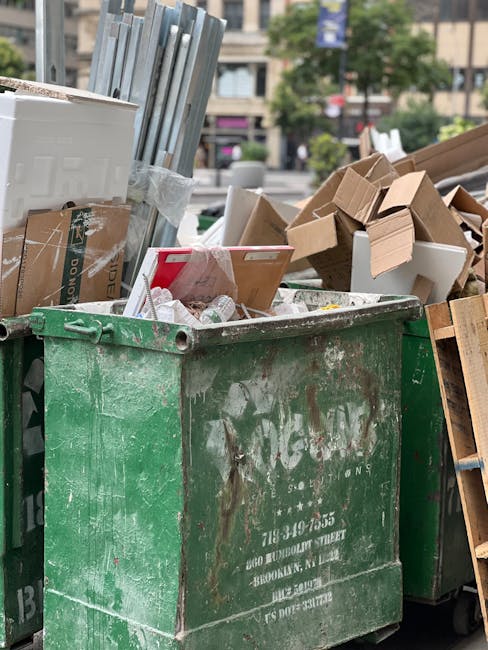
Why Avoid fines: Dispose bulky waste in Kingsbury correctly Matters
Bulky waste is one of those household tasks that looks harmless until it goes wrong. A mattress left beside a bin store, a fridge abandoned in a communal area, or a sofa placed on the pavement without proper arrangements can all cause problems. In busy parts of Kingsbury, where shared spaces and tight access are common, improper disposal is not just untidy. It can create obstruction, attract complaints, and lead to enforcement action.
The real issue is that bulky waste sits at the intersection of convenience, safety, and compliance. You want it gone quickly. The street should stay clear. Neighbours should not be left dealing with an eyesore or a fire hazard. And if the item contains materials that need specialist handling, you do not want to improvise and hope for the best.
Expert summary: The safest route is usually the simplest one: identify the item, separate recyclable or hazardous parts, choose the right collection method, and keep proof of disposal. That small bit of organisation can save a surprising amount of trouble later.
If the bulky item is part of a bigger clear-out, combining disposal with a wider move plan often saves time. For example, when customers are preparing a flat or house move, services like house removals in Kingsbury or flat removals in Kingsbury can help coordinate the heavy lifting, while a separate disposal plan handles anything that should not be moved at all.
How Avoid fines: Dispose bulky waste in Kingsbury correctly Works
At a practical level, bulky waste disposal is about matching the item to the right route. Not everything large is treated the same way. A wooden wardrobe, a broken washing machine, an office desk, and an old piano all need different handling. Some items can be broken down for easier recycling. Others need professional removal because of weight, access, or safety concerns.
Here is the basic logic most people should follow:
- Identify the item. Check what it is made from and whether it includes electrical parts, metal, glass, foam, or hazardous components.
- Sort what can be removed separately. Drawers, shelves, cables, and loose fittings often need to come off first.
- Decide whether it is reusable, recyclable, or waste. A surprisingly good sofa may be better suited for storage or reuse. If you are planning to keep items temporarily, this may tie in with storage in Kingsbury rather than immediate disposal.
- Choose your disposal route. This might be a booked bulky waste collection, a licensed removal service, or a trip to an approved facility if you are handling it yourself.
- Keep access safe and clear. Hallways, lifts, shared entrances, and stairwells matter more than people think.
- Get confirmation. Keep receipts, booking details, or written confirmation where possible.
There is also a timing element. If you leave a bulky item in a communal area "just overnight", it can quickly become a complaint by morning. A heavy sofa dumped by the kerb on a Friday evening may look harmless in the dark, but by Saturday it can turn into a magnet for weather damage and fly-tipping.
For bulky furniture, careful handling matters as much as disposal. Our guide on furniture removals in Kingsbury explains why moving and disposing are not the same task, and why the handling plan should be decided before the item is touched. That sounds obvious. It often isn't in real life.
Key Benefits and Practical Advantages
Doing bulky waste disposal properly brings more than just peace of mind. It also makes the rest of your project easier to manage. Whether you are clearing a flat, preparing for tenants, or updating a family home, the benefits are very practical.
- Reduced risk of penalties or complaints. Correct disposal keeps you away from avoidable enforcement issues.
- Cleaner shared spaces. This is especially important in apartment buildings and terraced streets where access is limited.
- Better recycling outcomes. Separate materials can often be diverted from general waste.
- Less physical strain. Heavy lifting, awkward corners, and stairwells are no joke. If the item is large, it may be safer to use professionals. Our article on solo heavy object lifting strategies shows why.
- Faster property turnover. Landlords, tenants, and homeowners can all move on more quickly once bulky clutter is gone.
- Less stress overall. A messy disposal plan tends to spill into everything else. One awkward wardrobe can somehow dominate an entire weekend.
There is a hidden benefit too: proper disposal often forces you to make better decisions about what is worth keeping. A damaged chest of drawers, for instance, may not deserve another trip through the house. On the other hand, a good sofa or bed frame might just need a short-term plan, especially if you are reorganising before a move. That is where a guide like sofa preservation and storage advice can help you separate "dispose" from "store".
Who This Is For and When It Makes Sense
This matters to far more people than first-time movers. In Kingsbury, bulky waste disposal is relevant for homeowners, tenants, landlords, students, small businesses, and families clearing out a property after a change in circumstances. It is also useful if you are dealing with inherited items, replacing furniture, or making space for new appliances.
It makes particular sense when:
- you are moving home and do not want to transport damaged or unwanted items;
- you are cleaning out a garage, loft, basement, or spare room;
- you need to dispose of a large item safely without blocking access;
- you are managing a rental property and want it turned around quickly;
- you have one or two awkward items rather than a full household clearance;
- you are trying to avoid a rushed decision the night before collection day.
Students in particular often end up with bulky items at the wrong time: a bed base that will not fit in the lift, a desk that has survived one too many moves, or a sofa left behind because the new flat has different dimensions. In those cases, a service such as student removals in Kingsbury can be a practical way to manage the moving side while leaving disposal decisions clear and tidy.
Office clear-outs are another classic example. Desks, chairs, filing units, and old IT furniture can build up quickly, and office waste should be handled carefully rather than casually. If that sounds familiar, office removals in Kingsbury may be a better fit than trying to DIY the whole thing over a lunch break.
Step-by-Step Guidance
Here is a sensible process you can follow without overcomplicating things.
1. Make a room-by-room list
Start with one room. Not the whole property. Just one. Write down each bulky item and decide whether it is staying, moving, selling, donating, storing, or disposing. This keeps the task manageable and stops the "everything is a problem" feeling from taking over.
2. Check the item's condition
Ask yourself a plain question: would anyone realistically use this again? If the answer is no, disposal is probably the right route. If the answer is maybe, think about repair, resale, or temporary storage.
3. Separate components
Take off legs, shelves, cushions, cables, or loose panels where safe to do so. This makes lifting safer and can help with sorting later. If the item is especially awkward, do not force it. A cracked panel or jammed hinge can turn a simple task into a nuisance very fast.
4. Check for special handling needs
Anything with motors, cooling units, batteries, wiring, or internal fluids may need more care than a simple wood-and-fabric item. For example, appliances often need to be handled differently from standard furniture. If you are deciding what to do with an unused appliance, this guide on storing an unused freezer is useful because it highlights why some items should be prepared properly before any long-term decision is made.
5. Choose the right disposal route
For a single sofa or mattress, a bulky collection or specialist removal may be the cleanest option. For several items, a wider removal service may be more efficient. If time is tight, same-day removals in Kingsbury can be a practical solution when the job cannot wait.
6. Prepare the access route
Measure doorways, check stairs, move ornaments, and protect floors if needed. It sounds fussy until you are halfway through a narrow landing with a wardrobe that has suddenly become larger than the staircase.
7. Keep proof of disposal
A booking confirmation, receipt, or job record is worth keeping. It shows that you arranged disposal properly and gives you a paper trail if questions come up later.
8. Final sweep
Once the item is gone, check for screws, splinters, packaging, and stray fittings. The job is not finished until the floor is clear. That last ten minutes matters.
Expert Tips for Better Results
A few small decisions can make bulky waste disposal much easier. In practice, the people who handle it best are usually not the ones with the most muscle. They are the ones who plan the order of work properly.
- Measure before you lift. Door widths, stair turns, and lift sizes save a lot of guesswork.
- Take items apart where possible. Flat-packed furniture often becomes much easier once it is broken into manageable pieces.
- Wrap sharp or fragile edges. Cardboard, tape, and blankets can help reduce damage during the move.
- Protect the route. Old sheets or floor protection can prevent scuffs on laminate, paint, or carpets.
- Use the right lifting technique. If something is heavy, keep your back safe and avoid twisting. Our piece on kinetic lifting principles gives a useful plain-English explanation.
- Don't mix disposal with storage decisions. A sofa might look like rubbish today, but if you are still undecided, it may be better to look at storage or preservation options first.
A small human trick that helps: create three labels or piles - keep, move, dispose. No fancy system. Just three clear buckets. It sounds almost too simple, but it stops items drifting from one room to another while nobody quite decides what they are doing. Honestly, that happens more often than people admit.
If furniture is in decent condition and the challenge is just moving it safely, our pages on man and van services in Kingsbury and man with a van in Kingsbury can be useful next steps, especially for single-item transport or smaller clearance jobs.
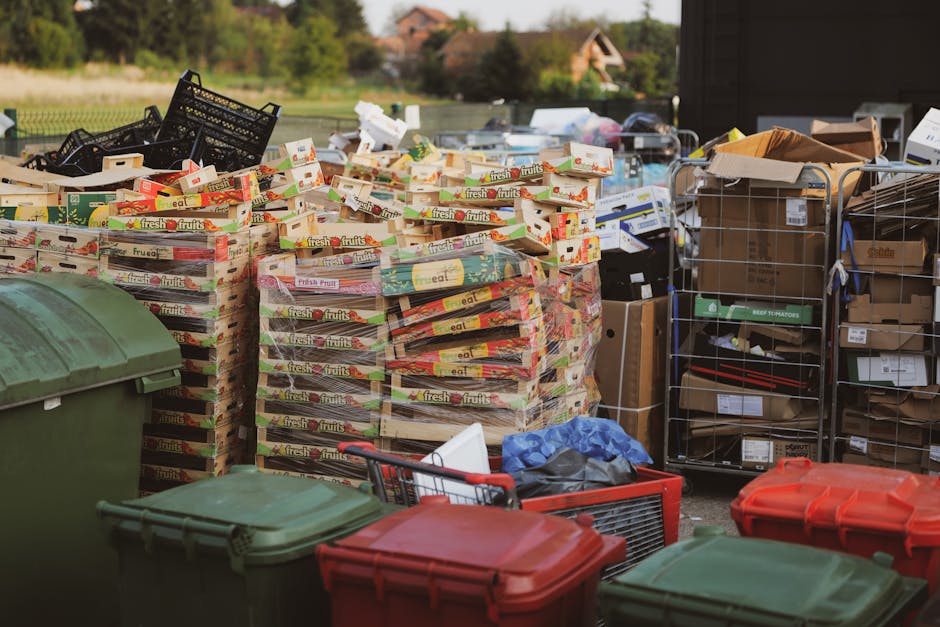
Common Mistakes to Avoid
Most problems with bulky waste come from rushing. People wait too long, then take the first route that feels convenient. That is where mistakes happen.
- Leaving items beside communal bins. This is one of the quickest ways to invite complaints.
- Guessing that "someone will take it". Sometimes they won't, and then you still have the item.
- Mixing waste types. Appliances, furniture, metal, and general rubbish should not always be handled the same way.
- Forgetting access constraints. Tight stairs, parking limits, and basement entries can ruin a plan in seconds.
- Trying to lift too much alone. This is how people strain backs, chip walls, or damage the item before it is even moved.
- Ignoring small hazards. Nails, broken glass, mouldy fabric, and leaking contents are easy to overlook.
- Skipping confirmation. If you cannot show how the item was disposed of, you may have a headache later.
There is also the classic overconfidence mistake. You look at a sofa and think, "It's only one sofa." Then you get it into the hallway and realise the turn onto the landing is a complete nightmare. We have all seen that sort of moment. The sofa wins. Every time.
For a safer approach, it is often better to use a professional team that already understands risk, lifting, and access planning. If you want reassurance around handling and transport, take a look at insurance and safety information before booking anything.
Tools, Resources and Recommendations
You do not need a van full of specialist gear to dispose of bulky waste correctly, but a few basic tools do make a difference.
| Tool or resource | What it helps with | Why it matters |
|---|---|---|
| Measuring tape | Doorways, stairs, lifts, item dimensions | Prevents access problems before they start |
| Gloves | Grip and hand protection | Useful for splinters, rough edges, and dusty items |
| Blankets or pads | Protecting floors and furniture | Reduces scratches and damage during removal |
| Basic toolkit | Removing screws, legs, hinges, fittings | Helps break bulky items into safer parts |
| Labels or masking tape | Marking keep/move/dispose piles | Makes the process clearer, especially in busy households |
| Professional removal support | Heavy lifting, transport, timing | Best for awkward, valuable, or urgent items |
For people planning a broader clear-out, the right packing materials can be surprisingly helpful even for disposal work. Boxes, tape, wrapping, and markers can keep small components together so you do not lose screws or loose parts halfway through the job. Our packing and boxes in Kingsbury page is worth a look if your bulky waste job overlaps with moving or sorting.
If you are still weighing up service options, the wider services overview gives a helpful picture of how removal support can be matched to a specific situation rather than treated as a one-size-fits-all fix. That matters more than it sounds.
Law, Compliance, Standards, or Best Practice
When bulky waste is involved, the safest approach is to follow accepted UK waste-handling best practice and local rules for your property type. In plain English, that means you should not assume the item can just be left out, broken apart casually, or handed over without checking how it will be managed.
Good practice usually includes the following:
- only using arrangements that are appropriate for the item type;
- avoiding obstruction of pavements, entrances, stairwells, or shared spaces;
- separating recyclable components where practical;
- keeping records where you have booked a collection or used a disposal service;
- handling electrical or heavy items with extra care;
- making sure any service provider you use is clear about how waste is collected and managed.
If a bulky item may include sharp metal, batteries, coolant, glass, or contaminated materials, caution is especially important. The best rule is simple: if you are unsure, pause and check before moving it. That small delay is far better than creating a safety issue or a messy disposal problem.
For people who want a deeper sense of how a company approaches responsibility, the supporting pages on health and safety policy and recycling and sustainability help show the kind of standards that should guide careful disposal and reuse decisions.
Options, Methods, or Comparison Table
There is no single best method for every bulky item. The right choice depends on urgency, size, access, condition, and whether the item can be reused or recycled. Here is a practical comparison.
| Method | Best for | Pros | Watch-outs |
|---|---|---|---|
| Book a bulky waste collection | Single items or small loads | Convenient, structured, usually straightforward | May require preparation and timing |
| Professional removal service | Heavy, awkward, multiple, or urgent items | Less physical effort, better for access issues | Costs vary depending on size and complexity |
| DIY transport | Smaller items you can safely manage | Flexible if you already have the right vehicle | Higher risk of injury, damage, or incorrect disposal |
| Reuse, resale, or donation | Items in decent condition | Better environmental outcome, may save money | Requires time, good condition, and clear arrangements |
| Storage first, disposal later | When you are undecided or moving | Buys time to make a better decision | Not ideal if storage costs outweigh the item's value |
If you are clearing a home and still undecided about a few items, a storage-first approach can be sensible. For example, a mattress, piano, or large sofa may deserve a pause rather than an instant disposal decision. Our guides on bed and mattress moving tips and piano removals in Kingsbury are useful if those items are part of the picture.
Case Study or Real-World Example
Here is a realistic scenario. A couple in Kingsbury are moving from a two-bedroom flat and discover, three days before move-out, that they have a worn sofa, a broken TV unit, and an old freezer in the utility area. The sofa is too good to throw away without thinking, the TV unit is wobbling and barely safe to carry, and the freezer has been unplugged but still needs careful handling.
At first, they consider putting everything out separately over two evenings. It sounds easy. In practice, it would mean awkward lifting, blocked hallway space, and a messy departure from the property. Instead, they sort the items into three groups: keep, dispose, and store for later review. They check the sofa's condition and decide it is not worth moving. They keep the freezer decision separate because appliance handling needs more care. The TV unit is broken down and removed as part of the clear-out.
They then use professional help for the heavy pieces, which saves a lot of time and avoids a risky lift down the stairs. The main benefit was not just speed. It was clarity. Once the disposal plan was fixed, everything else in the move became easier. Less arguing, less confusion, fewer trips around the flat carrying the same item twice. Truth be told, that alone can save a weekend.
This is exactly the kind of situation where a broader moving service and a clear waste plan work best together. If the move involves multiple rooms or difficult access, removal services in Kingsbury can help keep the process organised from the start.
Practical Checklist
Use this checklist before any bulky waste item leaves your property.
- Identify the item and its condition.
- Decide whether it should be kept, moved, stored, sold, donated, or disposed of.
- Check for parts that can be removed safely.
- Look for electrical components, batteries, fluids, sharp edges, or other hazards.
- Measure doors, stairs, and access points.
- Clear the route and protect floors if needed.
- Confirm who is lifting, carrying, and transporting the item.
- Arrange the correct disposal or collection method.
- Keep booking details or proof of disposal.
- Do a final check for screws, debris, and forgotten fittings.
Quick takeaway: if an item is heavy, awkward, or uncertain, do not improvise. Plan first, move second. It sounds simple because it is, and it works.
Conclusion
Bulky waste disposal in Kingsbury does not need to be complicated, but it does need to be done properly. The key is to stop treating large items as afterthoughts. Once you identify what you have, decide on the right route, and handle the item with care, the job becomes much less stressful and far less risky.
Whether you are clearing a flat, managing a house move, or just trying to get one stubborn item out of the way, a tidy disposal plan is always worth it. It protects your space, helps avoid unnecessary trouble, and makes the whole place feel lighter. And honestly, that feeling of an uncluttered room after the last bulky item leaves? It is a good one.
If you would like support with heavy lifting, removal planning, or getting bulky items moved out efficiently, it may be worth exploring related services before the problem grows into a bigger weekend than you wanted.
Get a free quote today and see how much you can save.