Brent Council permits: When you need a Kingsbury street closure
Posted on 26/06/2026
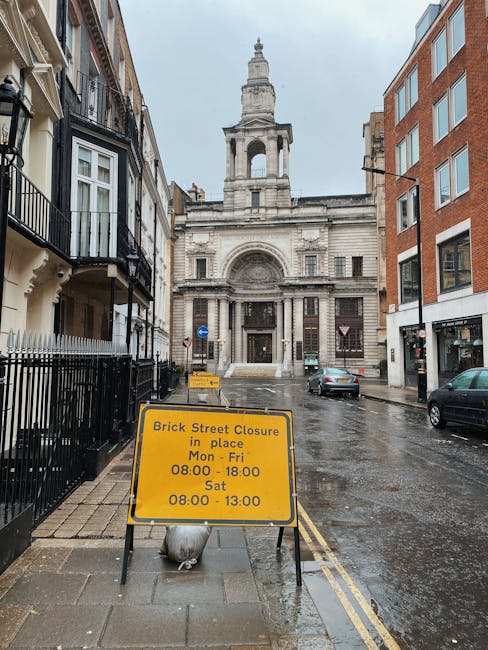
If you are planning a move, a delivery, or any job that needs vehicles, cones, or a bit more breathing room than Kingsbury usually gives you, the permit question comes up fast. Brent Council permits: When you need a Kingsbury street closure is not just a box-ticking exercise; it can be the difference between a smooth day and a messy one with delays, complaints, or awkward conversations with neighbours who were expecting to get out at 8:15 and found a van blocking the road instead.
In Kingsbury, where side streets can be tight, parking is often limited, and access can change quickly, understanding when a street closure or parking suspension is needed matters. This guide breaks it down in plain English: what a closure really means, when a permit may be needed, how the process usually works, and how to plan without overcomplicating things. If you are coordinating a move, it also helps to think about the wider logistics, from service planning and access needs to practical packing support such as packing and boxes in Kingsbury.
Let's face it, most people only realise they need permission after they've already started arranging the van. That's exactly when stress spikes. So, rather than improvising on the morning, it's better to know the signs early. You'll save time, reduce risk, and avoid the kind of last-minute panic that has everyone peering out of windows to see who is going to move first.
Why Brent Council permits: When you need a Kingsbury street closure Matters
Street access is not a minor detail. In a place like Kingsbury, where residential roads can be narrow and parking bays are often shared, even a short obstruction can affect buses, pedestrians, neighbours, and emergency access. A closure or temporary restriction is there to make sure the road use is managed safely and fairly.
For moving day, this matters because loading and unloading rarely happens in a perfectly neat way. You may need space for a removal van, a clear path for trolleys, or a safe place for bulky furniture to leave the property. If your move involves heavier items, it helps to read up on the practical side too, such as moving bulky items on Kingsbury terraces or the basics of solo heavy object lifting, because access problems and lifting risks often go hand in hand.
There's also the neighbour factor. A road may technically allow traffic, but if your van is stopped halfway across a narrow lane, somebody will be reversing into a cul-de-sac or waiting at an awkward angle. That's not just irritating. It can create conflict very quickly. A permit-led plan gives you a cleaner, more predictable setup.
Key point: if your move, event, skip delivery, or works activity affects the normal use of a Kingsbury road, treat the permit question early rather than late. It is usually easier to plan access than to rescue a blocked street after the fact.
How Brent Council permits: When you need a Kingsbury street closure Works
The exact route depends on the activity, but the idea is simple. If you need to control parking, restrict traffic, or temporarily prevent through-access on a public road, you may need permission from the local authority. In practice, this may involve a road occupation permit, a parking suspension, or a formal closure arrangement, depending on the scale and impact of the job.
For a small domestic move, you might only need space outside the property. For larger access issues, such as a long row of parked cars, very tight turning space, or a job that needs a clear run from door to vehicle, the planning becomes more serious. That's especially true if you are dealing with a flat move, large furniture, or fragile items. If that sounds familiar, the advice on flat removals in Kingsbury and furniture removals in Kingsbury can be a useful companion read.
A typical process usually includes:
- checking whether the street is public or privately managed;
- deciding whether you need a full closure, lane restriction, parking suspension, or just a loading arrangement;
- confirming the date, time, duration, and exact location;
- submitting any required details in advance;
- using signage, cones, marshals, or traffic control where required;
- making sure the space is actually available on the day.
That last point is the one people underestimate. A permit is only useful if the road is still clear when the van arrives. If neighbours have already parked where you need access, the whole plan can wobble. It happens. More often than you'd think, frankly.
Key Benefits and Practical Advantages
A well-planned street closure or permit arrangement does more than keep things legal. It makes the whole day calmer. You get a controlled loading area, less risk of vehicle damage, fewer delays, and a much better chance of finishing on schedule.
Here are the main practical advantages:
- Safer loading and unloading - fewer vehicles moving past the property while heavy items are being carried.
- Faster access - less time circling for a space, which matters on busy streets.
- Better neighbour relations - a communicated plan usually causes fewer complaints.
- Lower risk of damage - less shuffling, less rushing, and fewer awkward lifts.
- Cleaner logistics - the van parks where it should, the team works in a straight line, and nobody wastes energy.
There's also a commercial advantage if you're arranging a move for a business or office. Time lost searching for access can cost real money. If your project is larger, have a look at office removals in Kingsbury and removal services in Kingsbury as part of the broader planning picture.
Expert summary: the value of a permit is not just avoiding enforcement problems. It is about creating a controlled, efficient working space so the move or delivery can happen without constant interruption.
That calm, controlled setup often becomes the difference between a job that feels chaotic and one that feels manageable. You notice it in the small things: fewer pauses, fewer shouted instructions, fewer moments where someone is standing in the road with a mattress wondering where on earth the next step is.
Who This Is For and When It Makes Sense
You may need to think about a Kingsbury street closure if you fall into one of these situations:
- you are moving home from a house, flat, or maisonette with limited frontage;
- you need a removal van to stop very close to the property;
- you are using bulky items, such as sofas, wardrobes, pianos, or white goods;
- the road is narrow, busy, or regularly congested;
- you need temporary space for containers, skips, or contractor vehicles;
- you want to protect pedestrians or neighbours during an awkward loading operation.
Some people assume permits are only for major roadworks or commercial events. Not always. In a moving context, even a fairly ordinary house move can need special planning if the road layout is tight enough. Kingsbury has plenty of streets where parking is at a premium, and it doesn't take much to turn a normal move into a logistical puzzle.
If your situation is urgent, that adds another layer. A same-day booking may leave little room for leisurely planning, so you need to be realistic about what can be arranged quickly. In those cases, same-day removals in Kingsbury can be helpful, but access still needs checking. Speed is useful. Speed without planning is just rushed chaos in a van.
Step-by-Step Guidance
If you want to handle the process properly, keep it simple and structured. Here's a practical way to approach it.
- Assess the access
Look at the road, parking layout, turning space, and where the vehicle will stand. Ask yourself: will the load be carried in a straight line, or will staff need to dodge parked cars and wheelie bins? - Define the impact
Are you merely loading for a short time, or do you need to hold a stretch of road clear? The more the normal use of the street is affected, the more likely formal permission becomes relevant. - Choose the right type of arrangement
Sometimes a parking suspension is enough. Sometimes a temporary restriction or closure is more appropriate. If the job is large, don't guess. Get the setup matched to the reality of the move. - Build your timings around the permit window
Factor in traffic, access delays, and the time needed to move things through the property. A permit window that looks generous can vanish quickly once you're carrying a sofa downstairs. - Coordinate the removal team and neighbours
Neighbours appreciate notice. A quick heads-up can prevent arguments over parking and make the street feel less disrupted. - Prepare the property in advance
Hallways clear, furniture dismantled where needed, boxes stacked sensibly, and no loose items blocking the route. For help with the inside part of the job, see packing essentials for a house move. - Check the day-before details
Make sure the access plan still makes sense. Weather, parked vehicles, or a change in lift access can all alter the plan a bit. - Have a fallback
Sometimes the cleanest plan still hits a snag. A backup loading point, temporary storage option, or adjusted vehicle position can save the day.
And yes, the fallback matters more than people think. A move does not have to be perfect to go well. It just has to be adaptable.
Expert Tips for Better Results
In our experience, the best results come from small practical choices rather than big dramatic ones. A few smart decisions made early can save a lot of faffing later.
- Use the shortest possible carry route. That reduces lifting risk and keeps the job moving.
- Think about the weight order. Heavy pieces first, delicate items later, unless the property layout forces another sequence.
- Check street width at both ends. A road can look wide enough from one side and then narrow up badly near the junction.
- Protect shared surfaces. Door frames, stair edges, and pavement corners can take a beating during a rushed move.
- Plan for weather. Rain turns cardboard soft, and wet pavements make handling heavier objects awkward.
- Keep a very clear point of contact. One person should be in charge of decisions. Too many voices and the whole thing gets noisy.
If you are moving awkward furniture, the right handling method matters too. Two useful reads here are kinetic lifting explained and strategies for solo heavy object lifting. They are especially useful if you are trying to understand why some jobs feel twice as hard as they should.
Also, don't overpack the day. Really. People often think every inch of the schedule must be used. In practice, a bit of breathing room helps if the van is delayed, the lift is slow, or a mattress gets stuck at the awkward corner nobody remembered.
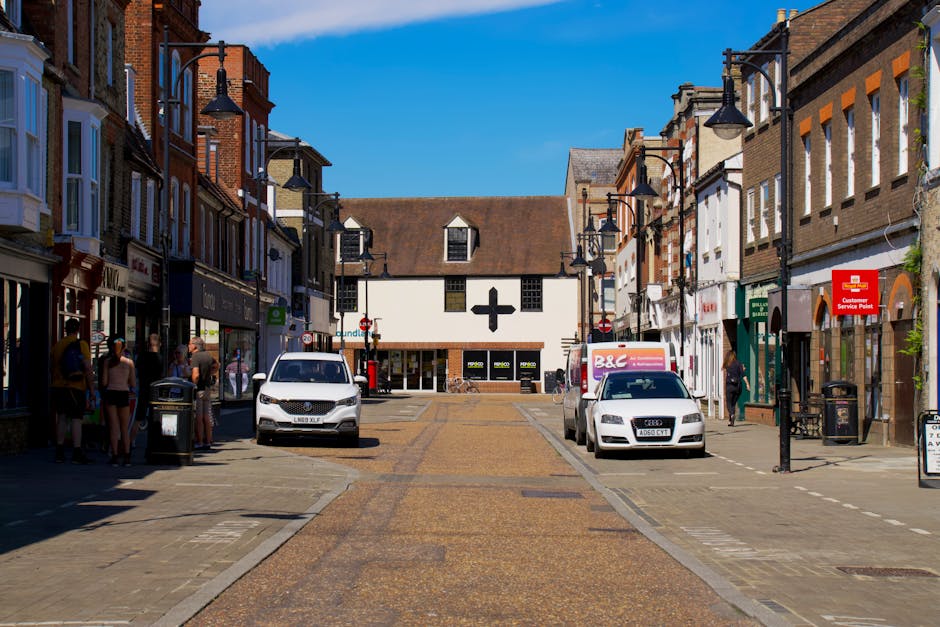
Common Mistakes to Avoid
Most permit-related problems are not dramatic. They are ordinary mistakes made under time pressure. The good news? They're avoidable.
- Leaving it too late. This is the big one. If the street needs formal control, late planning can force compromises.
- Assuming loading is the same as closure. A short loading stop may be fine, but a full occupation is a different matter.
- Ignoring neighbours and residents. Even when you're technically permitted, a surprise road obstruction can create tension.
- Forgetting about access clearance. A van may fit, but the tail lift, ramp, or trolley route may not.
- Not checking for obstructions. Bins, scaffolding, parked cars, and delivery drivers all complicate the picture.
- Underestimating how long the move will take. Especially with stairs. Stairs always add time. Always.
Another mistake is trying to solve access issues only with brute force. Sometimes that works for a minute, then it doesn't. A better approach is to work the route, adjust the load, and use the right equipment rather than wrestling everything by hand.
Tools, Resources and Recommendations
You do not need a huge toolkit to manage access properly, but a few items make the job much easier:
- cones or clear marking to reserve agreed space where appropriate;
- trolley boards and furniture straps for heavier items;
- protective blankets and covers;
- a tape measure for checking access widths and item dimensions;
- basic packing supplies and labels;
- a simple site plan or handwritten layout sketch for the loading point.
For practical moving support, it can also help to review related pages before the day. For example, man with a van in Kingsbury is useful for lighter or more flexible jobs, while house removals in Kingsbury may be a better fit for full property moves. If you need a slightly more flexible load-and-go approach, man and van in Kingsbury and removal van in Kingsbury are also worth considering.
For bigger or more sensitive jobs, safety and insurance should sit right alongside access planning. You can find a useful overview at insurance and safety and health and safety policy. That's not the flashy part of moving, but it is the part that protects everyone if something goes sideways.
And if cost planning is part of your decision, pricing and quotes and understanding Kingsbury removals pricing can help you compare options with a steadier head.
Law, Compliance, Standards, or Best Practice
When a street closure or road occupation is involved, it is wise to approach the matter as a compliance issue, not just a convenience issue. Local road management usually exists to protect safety, traffic flow, pedestrian access, and neighbouring properties. Even where a permit sounds simple, the underlying expectation is that road users are treated fairly and that the area remains safe.
Best practice usually includes:
- accurate timing and location details;
- clear communication with everyone affected;
- safe vehicle positioning;
- no unnecessary obstruction beyond the agreed period;
- proper handling of loads and equipment;
- respect for footways, entrances, and emergency routes.
From a practical standpoint, that means you should not improvise the final layout on the day unless you really have to. If the road is too tight, the van too large, or the access route too awkward, a small adjustment is usually better than forcing a risky setup.
It also pays to be honest about what the job actually needs. If it only needs temporary loading space, say that. If it needs more robust control, be upfront. Compliance gets messier when people understate the impact in the hope that things will somehow work themselves out. They rarely do.
Options, Methods, or Comparison Table
Not every Kingsbury move needs the same access solution. The right option depends on scale, timing, and how much of the road you need to control.
| Option | Best for | Pros | Watch-outs |
|---|---|---|---|
| Short loading stop | Quick domestic collections or small moves | Simple and fast | Can fail if parking is tight or traffic is heavy |
| Parking suspension | Reserved vehicle space near the property | Good for loading certainty | Needs proper timing and clear communication |
| Temporary street restriction | Narrow roads, larger jobs, awkward access | Better control and safer working space | More planning and coordination required |
| Full closure | Higher-impact works or highly constrained streets | Maximum control | Usually the most complex option to organise |
As a rule of thumb, the lighter the move, the simpler the setup. But once you add stairs, bulky furniture, poor parking, or time pressure, the simple setup can become the wrong setup pretty quickly.
Case Study or Real-World Example
A common Kingsbury scenario goes something like this. A tenant in a first-floor flat needs to move out on a Saturday morning. The street is narrow, there are cars parked on both sides, and the front door opens onto a short access path with a tight turn. At first, it seems manageable. Then the sofa appears. Then the wardrobe. Then the van is half a street away because there is nowhere sensible to stop.
In that kind of move, the team has to think not just about transport, but about access control. A better plan may involve reserving a space close to the property, agreeing a loading window, and clearing the route inside the flat before moving begins. If the items are especially awkward, the move may also benefit from the practical approach described in expert piano moving guidance, even if there is no piano involved. The reason is simple: the same principles of protection, route planning, and controlled handling apply.
What changed the outcome in this sort of job was not brute strength. It was preparation. Once the access was managed properly, the team could work in a steady rhythm, the neighbour complaints faded into the background, and the move actually finished on time. Not glamorous, but very effective.
Practical Checklist
Use this checklist before you commit to a Kingsbury street closure or any access-controlled move.
- Confirm the exact street, property number, and access point.
- Measure the width of the route if space is tight.
- Decide whether the job needs loading space, a suspension, or a closure.
- Check whether the van can park safely without blocking unnecessary access.
- Identify stairs, turns, lifts, and fragile surfaces in advance.
- Notify neighbours if they may be affected.
- Prepare packing materials and covers before moving day.
- Set a realistic time window with some breathing room.
- Plan for bulky items separately.
- Keep a backup option in case the street is not as clear as expected.
If you are still tidying and sorting items before the move, decluttering tips for moving can make the packing stage much easier. And if you've got mattresses or bed frames to deal with, bed and mattress moving tips are worth a quick read.
Practical takeaway: if the move depends on street access, treat access as part of the move itself, not as a side issue. That mindset alone prevents a lot of headaches.
Get a free quote today and see how much you can save.
Conclusion
Brent Council permits: When you need a Kingsbury street closure is really about planning the street as carefully as you plan the boxes. If the road is tight, the van is large, or the job involves heavy furniture and narrow access, a permit-led approach can make everything cleaner, safer, and less stressful. You do not need to overcomplicate it, but you do need to think ahead.
The best moves in Kingsbury usually share the same traits: clear timing, realistic access planning, sensible handling, and a bit of local awareness. That's all. No magic. Just organised work done properly.
And if your move is still feeling a little overwhelming, that's normal. Most people start there. The good news is that a clear plan changes the mood of the day surprisingly fast. One step at a time, and it becomes manageable.