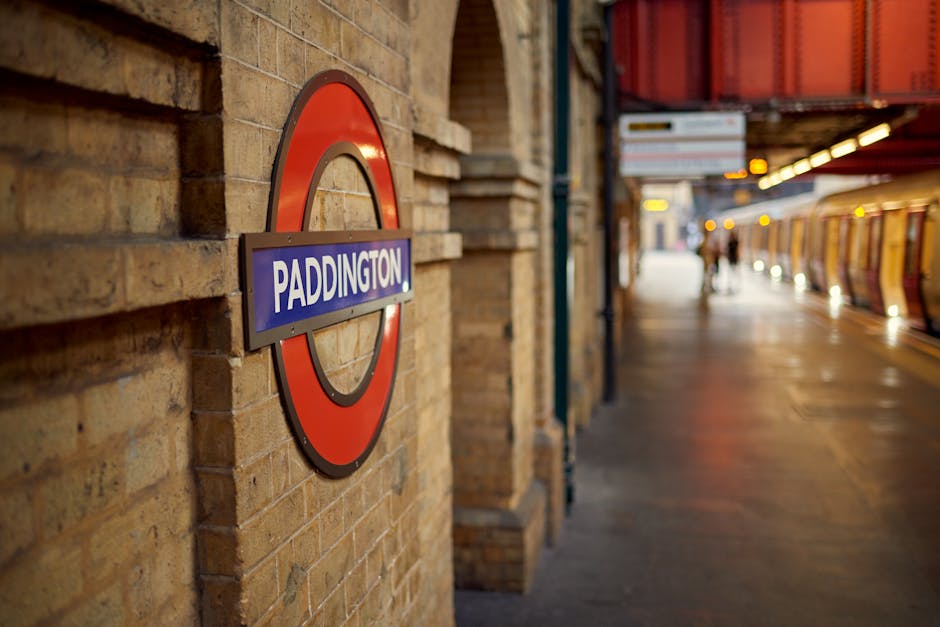
Best loading spots near Kingsbury tube station
Posted on 06/05/2026
Best loading spots near Kingsbury tube station: a practical local guide for smoother moving days
If you are planning a move, a furniture delivery, or even a quick flat clearance, the Best loading spots near Kingsbury tube station can make the difference between a calm job and a frustrating one. Anyone who has tried to shuffle a sofa along a narrow pavement while watching the clock knows the feeling. There is the rush, the double-checking, the awkward "can we stop here for a minute?" conversation. Truth be told, the right loading spot saves more than time. It saves energy, reduces risk, and makes the whole day feel manageable.
This guide explains where loading works best around Kingsbury Tube, what to look for before you park, how to avoid common mistakes, and how to plan a safe, efficient loading process in a busy part of NW9. It is written for real moving days, not theory. So whether you are arranging a small van collection or coordinating a full house move, you will find practical advice you can actually use.
Why Best loading spots near Kingsbury tube station Matters
Loading spots matter because moving is rarely just about the van. It is about distance, timing, access, and whether the front door is actually reachable without turning the job into an obstacle course. Near Kingsbury Tube, that matters even more because station-adjacent streets can get busy quickly, especially during commuting peaks, school runs, and weekend shopping trips.
A good loading spot can cut the carry distance dramatically. That might sound minor, but when you are moving boxes, a mattress, or a heavy wardrobe, every extra metre counts. Fewer steps means less fatigue, less chance of damage, and fewer awkward stops while you wait for the right gap in traffic. If you have ever tried to hold a door open with one shoulder while steering a trolley with the other, you already know the value of a sensible parking position.
There is also the issue of consistency. The best loading point is not always the closest one on the map. It is the place that gives you enough room to load safely, without blocking buses, entrances, dropped kerbs, or the natural flow of traffic. In London, that balance is everything. A van parked badly can quickly become the day's biggest headache.
For bigger domestic jobs, the right loading spot also helps you coordinate with other moving tasks. If you are using a man and van in Kingsbury, booking a smarter loading location can make the whole service more efficient. The same applies if you are arranging house removals in Kingsbury or moving into a flat where the hallway is tight and the stairs are unforgiving.
How Best loading spots near Kingsbury tube station Works
Loading near Kingsbury Tube works best when you think in layers: legal access, practical access, and physical access. Legal access is whether you are allowed to stop there. Practical access is whether the van can sit there without causing chaos. Physical access is whether the team can get items from the property to the vehicle without bottlenecks.
In practice, that means you should look for a spot with enough curbside space to keep the rear doors open, enough road width for a van or removal vehicle, and a route that avoids excessive crossing of foot traffic. Some spots look ideal on paper but become awkward because of narrow bends, parked cars, or a corner that makes reverse manoeuvring uncomfortable. And let's face it, nobody wants to do three-point turns with a sofa waiting on the pavement.
A loading zone also works differently depending on your vehicle size. A small van can fit into spaces that would be useless for a larger removal van. If you are hiring a removal van in Kingsbury, you will need more space and a cleaner approach to stopping. If you are using a smaller crew, a brief loading stop closer to the property may be enough, provided it does not create a safety issue.
Another thing people often miss is timing. A spot that feels easy at 10:30 in the morning may be a nightmare at 5:15 in the evening. The station area changes through the day. That is why good local planning is part of the job, not an afterthought.
Key Benefits and Practical Advantages
Choosing a sensible loading point near Kingsbury Tube gives you more than convenience. It can improve the move in several practical ways.
- Shorter carry distances: Less walking with heavy or bulky items reduces strain and speeds up loading.
- Lower damage risk: Fewer turns, fewer lifts, and less squeezing through tight gaps means fewer scuffs and knocks.
- Better time control: A smoother load-in or load-out keeps the job on schedule, which matters if you have a time window.
- Less stress: The whole process feels more under control when parking is sorted early.
- Safer handling: A stable loading position helps crews move items with better posture and fewer last-minute adjustments.
This is especially useful if you are dealing with delicate or awkward pieces. A piano, for example, does not forgive improvisation. If that is part of your move, it is worth reading our guide to professional piano moving before you even book the vehicle. Likewise, if you have furniture that needs extra care, the advice in our furniture removals service can help you plan the right level of support.
There is also a quiet but important benefit: better neighbours, better streetside relationships. A courteous loading arrangement reduces obstruction and keeps things moving smoothly for everyone else. That matters in a place where people are heading to the station, crossing to local shops, or trying to get on with their day.
Expert summary: The best loading spot is not simply the nearest one. It is the spot that balances legality, space, safety, and carry distance so the move stays efficient from the first box to the last.
Who This Is For and When It Makes Sense
Loading advice near Kingsbury Tube is useful for a lot of people, not just large removals. If you are moving from a flat, collecting marketplace furniture, delivering stock, or helping a student relocate, the same principles apply. The scale changes, but the need for good access stays the same.
This is especially relevant if you are:
- moving out of a flat with limited stair access;
- loading bulky furniture after a sale or purchase;
- arranging a same-day move with tight timing;
- handling office equipment or multiple boxes;
- moving items that need careful lifting or wrapping;
- trying to keep loading time short around commuter traffic.
If you are a student or working with a lighter load, you may only need a short, efficient stop. A service like student removals in Kingsbury can be the practical fit. If your move is more urgent, same-day removals in Kingsbury may be the more sensible route.
It also makes sense if you are moving items into storage or temporarily clearing a property. For that, it helps to think beyond the loading bay and plan how the items will be wrapped, labelled, and stacked once they are on the van. A little organisation now saves a lot of huffing later.
Step-by-Step Guidance
Here is a simple way to approach loading near Kingsbury Tube without overcomplicating it.
- Check the property exit first. Make sure the path from the front door to the street is clear enough for boxes, trolleys, and larger furniture. If the route is awkward, solve that before thinking about the van.
- Assess the road layout. Look at whether there is enough stopping room for your vehicle type. A narrow side street may work for a small van but not for a larger removal truck.
- Choose the least disruptive position. Pick a location that does not block a crossing, junction, driveway, bus stop, or station flow. That keeps the move safer and calmer.
- Plan the load order. Heavy items first, fragile items protected, awkward items placed where they will not shift. Beds, sofas, and white goods usually need a planned sequence. If mattresses are involved, you may find these bed and mattress moving tips useful.
- Use the right packing and wrapping materials. Tape, blankets, straps, and covers matter more than most people expect. For a solid overview, see our packing essentials guide.
- Keep a clear loading lane. Do not create a pile of boxes between the door and the van. It turns one easy job into six small delays.
- Do a final safety check. Confirm that nothing is sticking out, rattling, or likely to slide during transit. One loose chair can become the star of the show, and not in a good way.
If you are unsure how to manage heavier furniture on your own, it is worth reading our solo heavy-object lifting advice and the guide to kinetic lifting. Those pieces explain why posture, movement, and grip matter far more than brute force.
A small tip from experience: lay out your most awkward items by the door before the van arrives. It sounds obvious, but people forget. Then someone is suddenly wrestling a bookshelf around a lamp table while the driver waits. Not ideal.
Expert Tips for Better Results
Some moving days go smoothly because the plan is sound. Others go smoothly because the team is quietly making sensible micro-decisions. Here are the things that tend to help most.
- Arrive early enough to observe traffic patterns. Even a 10-minute delay can show you whether the road is clearing or becoming more congested.
- Keep tools within arm's reach. You do not want to be hunting for straps after the van is half full.
- Protect your floors and thresholds. A narrow hallway near the station area may be fine for one box, not for repeated heavy passes.
- Bundle the smallest items together. Loose items create confusion. Bag them, box them, label them.
- Assign one person to watch for safety. If two people are lifting, a third set of eyes is useful. Especially near traffic.
For bigger home moves, you will also want to think about decluttering before the van arrives. Less volume means less loading time and fewer decisions on the pavement. Our article on decluttering before a move is a good place to start.
And if you are working with family or housemates, agree who is carrying what before everyone starts picking up random boxes. That tiny bit of coordination avoids the classic "I thought you had that" moment. We've all seen it happen.
One more thing: if the weather turns, be ready. Rain changes grip, cardboard weakens, and even a short walk from property to van can become slippery. A couple of spare covers in the boot can save the day.
Common Mistakes to Avoid
Loading mistakes tend to come from rushing, not from inexperience alone. People see a space and take it without thinking through the full chain of movement. That is where problems start.
- Stopping too far from the property: It seems harmless at first, but long carries drain energy fast.
- Blocking access points: Driveways, entrances, and pedestrian routes should stay clear wherever possible.
- Underestimating vehicle size: A parking space that suits a car may be useless for a van with rear loading doors.
- Loading in the wrong order: If the things you need first are trapped behind heavy items, you create avoidable delays.
- Skipping safety checks: A quick strap check can prevent a lot of wobbling on the road.
- Forgetting building rules or landlord expectations: Flat moves often need more coordination than people expect.
If you are moving from a flat, especially around an area with compact residential streets, it is worth reviewing flat removals in Kingsbury and, for local context, these NW9 flat move tips. They can save you from some very predictable headaches.
Another common mistake is ignoring post-move tasks. If you are vacating a place, the loading plan should fit alongside cleaning and handover timing. For that final push, our guide on move-out cleaning is worth a look.
Tools, Resources and Recommendations
You do not need fancy equipment for a straightforward load, but the right basics make a serious difference. Even a simple move becomes easier when you are not improvising with old towels and hope.
- Furniture blankets: Useful for protecting wooden surfaces and reducing rubbing in transit.
- Ratchet straps or tie-downs: Helpful for keeping larger items stable.
- Dolly or sack truck: Especially valuable for boxes, appliances, and heavier stacked loads.
- Labels and marker pens: Handy for sorting boxes by room and priority.
- Gloves with grip: A simple way to improve handling and reduce slips.
- Protective covers: Good for mattresses, sofas, and anything that should not pick up road dust or rain.
If you are storing items after loading, it is worth reading the relevant storage and care guidance first. For larger pieces, sofa storage and preservation advice is especially helpful. For appliances, unused freezer storage tips can help prevent avoidable problems. These are small details, but they matter more than people think.
For a broader service overview, the services overview page is a useful place to compare support options. If you need a tailored quote, the pricing and quotes page can help you plan the job without guesswork.
Law, Compliance, Standards, or Best Practice
When loading near a busy tube station, the main compliance concern is not abstract paperwork; it is making sure the vehicle is parked or stopped in a way that is lawful, safe, and considerate. Local parking restrictions, yellow lines, time limits, and access rules can all affect your plan. It is sensible to check the street conditions on the day and allow extra time for a fallback option.
Best practice also means keeping pedestrian routes clear, especially near station entrances and side streets where people naturally move quickly. A good moving team should avoid creating hazards for passengers, residents, or cyclists. In London, that common-sense approach goes a long way.
Safety is equally important. Items should be loaded so they do not tip, slide, or block visibility for the driver. If a load looks unstable, stop and reset it. No one likes to redo the work, but redoing it once is far better than dealing with damage later.
It is also sensible to work with a provider that takes safety seriously. You can review the company's health and safety policy and insurance and safety information if you want extra reassurance before booking. That sort of due diligence is not overcautious. It is smart.
For customers who want a more transparent service relationship, pages like about us and terms and conditions help set expectations clearly. And if you value responsible disposal, the recycling and sustainability page shows how unwanted items can be handled more thoughtfully.
Options, Methods, or Comparison Table
There is more than one way to handle loading near Kingsbury Tube, and the right method depends on what you are moving, how much time you have, and how much access the street gives you.
| Loading method | Best for | Pros | Watch out for |
|---|---|---|---|
| Direct curbside loading | Small to medium moves with clear access | Fast, simple, usually the least tiring | Needs legal stopping space and good traffic awareness |
| Short carry from side street | Flats or properties with limited front access | Can be flexible when the main road is busy | Extra walking time and more handling risk |
| Timed loading window | Moves with fixed collection or handover times | Works well when everyone is coordinated | Delays can create pressure very quickly |
| Pre-staged loading from inside | Busy homes or larger removals | Reduces last-minute scrambling | Requires space inside the property and good organisation |
For most local customers, the best option is a hybrid: stage items inside, park as close as practical, and keep the loading path as short as possible. That combination tends to be the sweet spot. Not glamorous, but effective.
If you are comparing service types, man with a van in Kingsbury is often a good fit for smaller or more flexible jobs, while removals in Kingsbury may suit larger, more structured moves. There is no single winner. It depends on the job.
Case Study or Real-World Example
Here is a realistic example. A customer in NW9 needed to move from a first-floor flat near the station into a new home not far away. The furniture was modest: a bed frame, mattress, dining chairs, several boxes, and a heavy sideboard that looked smaller than it felt. Nothing outrageous, but enough to be awkward if handled badly.
Instead of trying to stop as close as possible to the building entrance, the move was planned around a slightly wider section of road with a safer loading angle. That meant the carry distance was a touch longer, but the team had room to open the van doors fully, place the sideboard safely, and keep the pavement less cluttered. The move took shape quickly once the first load was properly staged. No rushing, no bouncing back and forth for forgotten boxes.
The key lesson? The "closest" spot was not the best spot. The better choice was the one that reduced interruptions and made lifting safer. That is often how it goes in real life. A tiny compromise on walking distance can create a big gain in control.
For items that need special handling, such as a piano or oversized furniture, a professional approach is even more important. If that sounds familiar, explore piano removals in Kingsbury and the related moving guidance before deciding on your loading plan.
Practical Checklist
Use this checklist on moving day. It keeps things simple.
- Confirm your loading address and access route.
- Check for parking restrictions, dropped kerbs, and yellow lines.
- Choose the vehicle size before choosing the space.
- Stage boxes and furniture close to the exit.
- Wrap fragile items and protect corners before loading.
- Keep straps, blankets, gloves, and labels ready.
- Load heavy items first and secure them properly.
- Keep walkways clear for people and trolleys.
- Double-check doors, ramps, and load stability before departure.
- Have a backup plan if the first loading spot is unavailable.
If you are still gathering supplies, packing and boxes in Kingsbury is a practical next stop. It helps to have the right materials in hand rather than making extra runs. Those little trips eat time faster than you'd expect.
And if you want to reduce stress before the day itself, there is some genuinely useful advice in these moving stress reduction techniques. A calmer mind makes for better loading decisions. Sounds simple, but it really does matter.
Conclusion
The best loading spots near Kingsbury Tube station are the ones that make your move safer, faster, and less stressful. That usually means thinking beyond convenience and choosing the spot that balances access, legality, vehicle size, and carry distance. If you plan properly, the loading process stops being the messy part of the day and becomes the part that quietly works.
Whether you are moving a single room, a flat, or a larger home, the winning formula is the same: prepare early, keep the route clear, and choose the loading point with the fewest complications. That's the difference between a move that drags and one that feels controlled.
Get a free quote today and see how much you can save.
If you are ready to make the move easier, start with the access plan, then build the rest around it. Small decisions, done well, tend to make the biggest difference in the end.