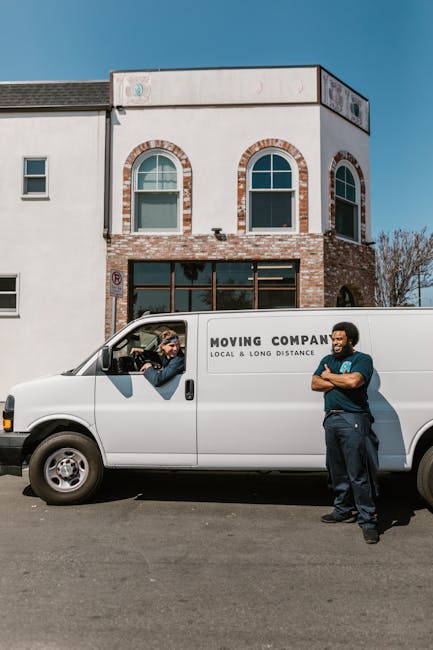
Licensed movers in Kingsbury -- licences you should check

Booking a mover should feel straightforward, but the truth is that a lot can go wrong if you skip the paperwork side. When people search for Licensed movers in Kingsbury -- licences you should check, they are usually trying to avoid the classic problems: a van turning up late, belongings not covered properly, or a quote that looks fine until the day of the move. That's not paranoia. It's sensible.
This guide walks you through the licences, registrations, insurance checks, and best-practice signals that separate a dependable removal service from a risky one. We'll keep it practical and plain-English, with a few real-world checks you can do in minutes. If you are also comparing moving support more broadly, pages like removal services, removal company, and insurance and safety can help you understand what a professional operator should be offering.
By the end, you'll know what to ask, what documents matter, what is nice-to-have, and what is non-negotiable. Simple, really. But not always obvious.
- Why licences matter before you book
- How licensed movers are usually structured
- Key benefits of checking licences early
- Who needs this most and when it matters
- Step-by-step licence checking process
- Expert tips for a smoother booking
- Common mistakes to avoid
- Tools, resources and recommendations
- Law, compliance and best practice
- Comparison of mover types and what to check
- Real-world example
- Practical checklist
- Conclusion
- Frequently asked questions
Why Licensed movers in Kingsbury -- licences you should check Matters
Let's face it: most people only think about licences after something has gone wrong. But if you're moving in or around Kingsbury, checking a mover's credentials before the van arrives is one of the easiest ways to reduce stress. It does not just protect your items; it also protects your time, budget, and peace of mind.
"Licensed" can mean different things depending on the service being offered. Some operators mainly need business registration, proper insurance, and the right vehicle documentation. Others may also need waste-related permissions if they are removing goods for disposal, or specific compliance arrangements if the move involves commercial premises. The important thing is not to assume. Ask what applies to their service model.
In practice, the biggest risk is not that a mover lacks a fancy certificate frame on the wall. It is that they operate without the right insurance, without clear terms, or without the competence to handle your belongings properly. That can create ugly surprises: damaged furniture, unresolved claims, or no accountability at all. And yes, that happens more often than most people expect.
For home moves, office relocations, and one-off collection jobs, a customer usually wants a simple answer: is this company legitimate, insured, and set up to do the job properly? That's the lens to use throughout this article. If you're comparing broader local options, removals near me is a useful place to think about service fit, while home moves and office removals are helpful if your move is more specific.
Expert summary: the safest way to choose a mover is to verify the legal basics first, then compare service quality, insurance cover, and written terms. A good price is only good if the operator is properly set up to deliver it.
How Licensed movers in Kingsbury -- licences you should check Works
There is no single universal "moving licence" that every domestic removal business must display in the UK. That's where people sometimes get tripped up. Instead, a trustworthy mover usually proves legitimacy through a mix of business details, insurance, vehicle compliance, and any permissions relevant to the work they perform.
Here is the practical version. When a mover says they are licensed, you should look for evidence that they are operating as a real business, not just a person with a van and a phone number. That evidence might include a registered company name, public contact details, proper insurance, VAT details where relevant, and a clear complaints process. On the more operational side, they should also have roadworthy vehicles, trained staff, and safe handling procedures.
For example, if you book a standard domestic move, you may be checking one set of things. If you book a move that includes disposal of old furniture, recycling, or the removal of unwanted items, you may need to ask whether the operator is authorised to deal with waste responsibly. If you are moving office equipment, you may want proof of extra care around access, building rules, and security.
That's why service descriptions matter. A page such as man and van may suit a smaller job, while house removals or commercial moves may point to a more structured service. The licence and compliance checks should match the type of move, not just the marketing language.
To be fair, many customers don't need to know every legal detail. What they do need is a short list of proof points. We'll get to that in a moment.
Key Benefits and Practical Advantages
Checking licences and related documents is not a box-ticking exercise. It changes the quality of the move in real, visible ways.
- Lower risk of damage or loss: properly insured movers are more likely to handle items with care and offer a path for claims if something goes wrong.
- Clearer accountability: legitimate businesses leave a paper trail, which matters if you need to resolve a dispute later.
- Better communication: companies that are set up properly usually have clearer booking steps, pricing structures, and terms.
- More predictable timing: compliance and professionalism often go together with better punctuality and planning.
- Safer handling of bulky items: licensed, insured, and trained movers are generally better prepared for staircases, tight access, and fragile goods.
There's also a quieter benefit that people often overlook: confidence. Once you know the mover is properly insured and the essentials are in order, you stop second-guessing every call or email. That matters on moving day, when the kettle's packed away and you are trying to remember where the tape is. Honestly, the tape always disappears.
If you want to compare pricing and service levels once the compliance side looks good, pricing and quotes can help you weigh value against cover and professionalism rather than just looking at the cheapest headline number.
Who This Is For and When It Makes Sense
This topic matters to almost anyone arranging a move, but some people benefit even more from a careful licence check.
- Home movers: if your belongings include furniture, electronics, and personal items, you'll want proper cover and clear liability terms.
- Landlords and tenants: quick turnarounds often create pressure, which is exactly when weak checks get skipped.
- Office managers: office moves need reliable scheduling, access awareness, and secure handling of equipment and documents.
- Older adults or families with tight deadlines: a smooth, dependable operator reduces the chance of delays turning into chaos.
- Anyone hiring a man with a van: smaller jobs can still go wrong if the operator has no proper insurance or legal setup.
It makes sense to be especially careful if the job includes stairs, parking restrictions, valuable furniture, or disposal of old items. Kingsbury has the same everyday moving headaches you see across London: awkward access, busy streets, parking pressure, and the occasional lift that seems to have a personal grudge against large sofas. A properly prepared mover should already be thinking about those things.
If you are arranging a smaller, flexible move, you might look at man with a van or movers, but the checking process stays the same. Small job, same standards.
Step-by-Step Guidance
Here's a practical way to check a mover without making the whole process feel like an investigation. It takes a little time, but not much.
- Confirm the business identity. Ask for the company name, trading name, and a full contact address. A genuine mover should not make this awkward.
- Ask what "licensed" means in their case. This is the key question. Are they referring to insurance, company registration, waste handling permissions, or vehicle compliance?
- Check insurance cover. Ask for proof of goods-in-transit cover, public liability cover, and any employer or vehicle-related cover that applies.
- Review the written terms. Look at cancellation policy, liability limits, waiting charges, packing responsibility, and what happens if access is blocked.
- Ask about vehicle compliance. The van or truck should be suitable for the load and maintained properly. Clean does not always mean compliant, but it is still a decent sign.
- Confirm how complaints are handled. A real business should have a process. If you need one, a clear complaints procedure is the sort of thing you want to see before you book, not after.
- Get the final scope in writing. List the items, collection point, destination, date, and any extras such as packing or furniture dismantling.
One small but useful habit: keep screenshots or emails of every agreement. Not because you expect trouble, but because memory gets fuzzy under pressure. Moving day is not the best time for guesswork.
If your move also needs packing support, consider whether packing and unpacking services should be part of the quote. That can change both the risk profile and the time required.
Expert Tips for Better Results
A few checks make a big difference. These are the things we'd nudge people to do every time.
- Ask for cover details before the deposit is paid. If the answer is vague, pause.
- Look for consistency across the quote and the conversation. A mismatch between what was promised and what's written is a warning sign.
- Choose clarity over charm. A friendly operator is great. A friendly operator with clear paperwork is better.
- Check whether the mover explains access issues. Good movers ask about stairs, lifts, parking, and loading bays early.
- Be careful with unusually low prices. Sometimes they are genuine. Sometimes they are the opening act for extras later.
There's a decent rule of thumb here: if a mover sounds too casual about insurance or terms, take that seriously. A professional removals business should be comfortable discussing the basics without sounding defensive.
Also, if the move is a larger domestic job, look at house movers or house removalists and compare how they describe planning, packing, and protection. The detail level often tells you a lot.
Common Mistakes to Avoid
Most moving problems are surprisingly avoidable. They come from rushing, assuming, or hearing the word "insured" and stopping there. That is rarely enough.
- Assuming all movers are equally covered. They are not.
- Not checking what the insurance actually covers. A policy can exist and still be too limited for your needs.
- Booking only on price. Cheap can be fine. Cheapest with no paperwork? Less fine.
- Forgetting to ask about waste or disposal. If old items are being taken away, the rules may be different.
- Ignoring the written terms. Verbal promises are easy to forget when the van is already outside.
- Not verifying office or commercial safeguards. Business moves often need extra care around access times and building rules.
A small, human mistake we see a lot: people send a photo of the kitchen and think that covers the whole property. It doesn't. The loft, the shed, the awkward bookshelf in the upstairs room, the pile of boxes in the hallway - those matter too.
If your move is business-related, office relocation services and office removals are useful comparisons because they tend to make access, timing, and responsibility much more explicit.
Tools, Resources and Recommendations
You do not need a toolkit the size of a warehouse. A short list of practical items and documents is enough.
- Quote comparison notes: write down what is included, not just the total price.
- Inventory list: even a rough room-by-room list helps prevent disputes.
- Photos of valuable or fragile items: useful before loading and after delivery if needed.
- Insurance confirmation: keep a copy or screenshot of the policy summary.
- Building access details: lift bookings, parking notes, and time restrictions should be shared early.
- Written terms: save them somewhere easy to find, not buried in a random downloads folder from three weeks ago.
As a recommendation, it helps to choose a mover that explains how they work rather than hiding behind vague wording. Pages like about us and terms and conditions can be useful for understanding the tone and structure of a business before you commit.
For payments, don't ignore the practical side either. payment and security is a good indicator of how careful a company is about handling your booking and financial details.
Law, Compliance, Standards, or Best Practice
This is the part where people often want a neat rulebook. The reality is a little more nuanced.
In the UK, a mover may need to comply with several different obligations depending on the work they do. At minimum, you would expect a legitimate operator to have appropriate business registration, vehicle documentation, insurance, and safe operating practices. If the company handles waste, disposal, or unwanted furniture, there may be additional legal and environmental responsibilities. If staff are employed, there are workplace duties around health and safety too.
That is why it is sensible to ask not just "Are you licensed?" but "Which permissions and cover apply to this job?" The answer should be specific. If the mover gives a generic answer with lots of nodding and no detail, keep digging.
Best practice also means transparent communication. A trustworthy company should explain limitations, exclusions, waiting-time rules, and any special handling conditions. You do not need a legal lecture. Just plain English. That's all most customers want, honestly.
If sustainability matters to you, you may also want to understand how waste, packaging, and disposal are handled. recycling and sustainability is a useful signal that the company is thinking about the broader environmental side of removals, not just getting the boxes from A to B.
Options, Methods, or Comparison Table
Different move types call for different levels of checking. Here is a simple comparison to help you decide what to ask for.
| Type of mover | Typical use | What to check most carefully | Common risk if you skip checks |
|---|---|---|---|
| Man and van | Small loads, single items, light domestic moves | Insurance, vehicle suitability, clear pricing | Unclear cover or surprise extras |
| House removals | Full household moves | Goods-in-transit cover, handling process, terms | Damage or delays during a larger move |
| Office removals | Business and workplace relocations | Access planning, security, timing, liability | Downtime or disruption to operations |
| Furniture pick-up | Single bulky items or collections | Lifting method, disposal responsibilities, insurance | Damage to item or property during loading |
There is no prize for choosing the most complicated option. The right mover is the one that fits your job cleanly. For furniture-only jobs, furniture pick up may be the better fit; for general moving support, removals or removal companies are worth comparing.
Case Study or Real-World Example
Imagine a couple in Kingsbury moving from a two-bedroom flat into a house a few streets away. They get three quotes. The cheapest one is a little suspiciously light on details. The second is clear but expensive. The third sits in the middle and explains insurance, access checks, and what happens if the lift is out of service.
They ask a few questions. Does the company have goods-in-transit cover? Yes. What happens if a sofa scratches the wall on the staircase? They explain the process. Can they provide written terms before the deposit? Yes. Do they list any exclusions for heavy items or long carries? Yes again.
That does not make the third mover perfect, of course. But it does make them easier to trust. And trust, on moving day, is worth a great deal. The couple can focus on keys, children, and the small stack of things that always seems to appear at the end - chargers, passports, the box with no label on it. You know the one.
In a business move, the story is similar but the stakes are different. An office manager arranging desks, monitors, and records needs a mover that can explain timing, security, and handling clearly. In that case, looking at office relocation services alongside compliance checks is a very sensible move.
Practical Checklist
Use this before you pay a deposit or confirm the booking.
- Have I confirmed the business name and contact details?
- Have I asked what licences, registrations, or permissions apply to my move?
- Have I seen proof of insurance cover that fits the job?
- Do I understand what is included in the price?
- Have I checked the written terms, including cancellation and claims?
- Have I shared access details such as stairs, parking, or lift restrictions?
- Do I know whether packing, dismantling, or disposal is included?
- Have I saved the quote and any emails confirming the arrangement?
- Does the company have a clear complaints process?
- Am I comfortable that the mover sounds organised, not vague?
If you can tick most of those boxes, you are already in a much safer position than the average last-minute booking. That alone can save you a headache or two.
For many readers, the next sensible step is simply to compare service fit and pricing in a more structured way through pricing and quotes, then confirm the final details once the licence and insurance questions are answered.
Get a free quote today and see how much you can save.
Conclusion
Checking licences is not about being difficult. It is about protecting your move from avoidable problems. When you know what to ask, the whole process becomes much calmer. You can compare movers on real quality rather than guesswork, and you can book with a clearer head.
In Kingsbury, where moving jobs can be shaped by busy roads, awkward access, and tight timing, that extra care really matters. Ask about insurance. Ask about the business setup. Ask what the move actually includes. Those questions are not over-the-top; they are the mark of a sensible customer.
And if a mover answers them clearly, that's a very good sign. You are not just hiring a van. You are hiring reliability. That's the bit that makes the difference.
A move done properly has a nice feeling to it - boxes in the right room, paperwork sorted, kettle found, and a small exhale at the end. Worth checking for, every time.
Frequently Asked Questions
Do movers in Kingsbury need a specific licence to operate?
Not every mover needs one single universal "moving licence" in the UK. What you should check is whether the business is properly registered, insured, and compliant with the type of work it performs. If they handle waste or specialised removals, additional permissions may apply.
What is the most important document to ask for first?
Insurance confirmation is usually the first thing to ask about, especially goods-in-transit cover and public liability cover. Those are the protections that matter most if items are damaged or property is affected during the move.
Is a man and van service automatically less reliable than a removal company?
Not automatically. A smaller service can still be excellent if it is organised and properly insured. The real question is whether the operator can show the right cover, terms, and experience for your specific job.
How can I tell if a mover is legitimate?
Look for a real business name, clear contact details, written terms, insurance proof, and a sensible explanation of how they handle bookings, claims, and complaints. Vague answers are usually a bad sign.
Should I ask about waste disposal if they are taking away old furniture?
Yes. If the job involves removing items for disposal, you should ask how they manage that work and whether it is included in the service. It's a small question that can prevent a bigger problem later.
What should be written in the quote?
The quote should explain what is included, the date, the collection and delivery details, any access issues, and any extra charges. If the quote is too brief, you may be left guessing later.
Are all removals businesses required to have the same insurance?
No. Insurance needs vary depending on the size of the business and the type of work it carries out. That is why you should not rely on the word "insured" alone; ask for the type of cover and the level of protection.
When should I check licences and insurance?
Before you pay a deposit or confirm the booking. Ideally, you should ask these questions while comparing quotes, not the night before the move.
What if the mover avoids giving a direct answer?
That is usually your cue to walk away or ask for better documentation. A professional company should be comfortable answering basic compliance questions. If they are not, you probably have your answer.
Do office moves need extra checks?
Yes, often they do. Office relocations can involve building access, business downtime, secure items, and more detailed planning. It's worth checking the mover's approach to timing, liability, and handling procedures.
Can I rely on online reviews instead of checking licences?
Reviews can help, but they are not a substitute for insurance and business checks. A decent review score does not guarantee proper cover or a clear claims process.
What is the safest next step after I've checked the licences?
Compare the written quote, confirm the move details, and make sure the terms are clear. If you are still deciding, pages like removal services and contact us can help you move from research to a proper enquiry without rushing.