Kingsbury High Road: Narrow-Street Removals Guide
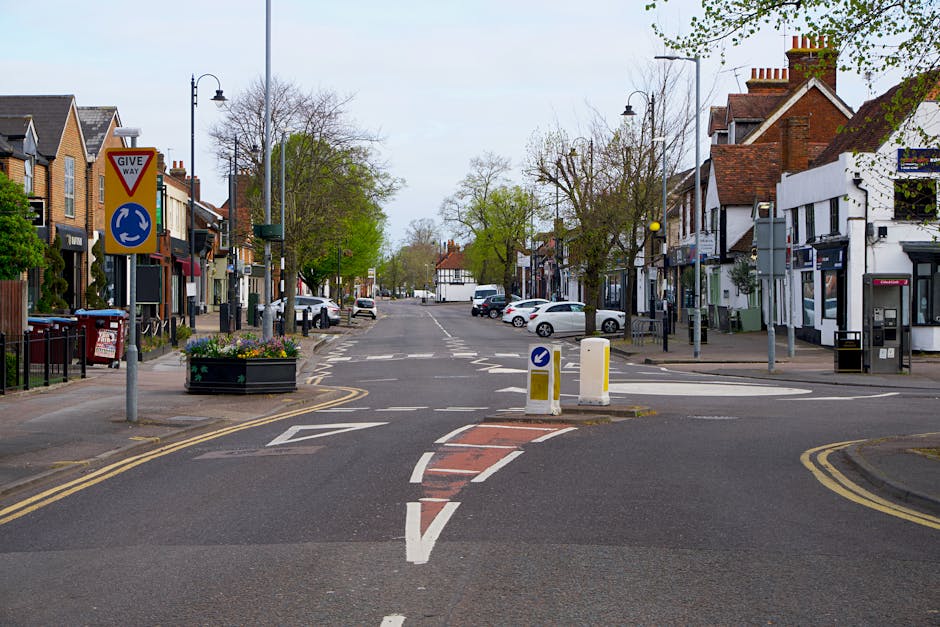
If you are planning a move along Kingsbury High Road, you already know the shape of the problem: busy traffic, tight parking, narrow streets, and not much room for error. A standard moving day can become awkward very quickly if a van cannot pull in properly, if neighbours block the road, or if heavy furniture has to be carried farther than expected. This Kingsbury High Road: Narrow-Street Removals Guide is here to make that whole process feel less stressful and far more manageable.
We will cover how narrow-street removals actually work, what matters most on a road like Kingsbury High Road, and how to avoid the mistakes that cause delays, extra lifting, and a fair bit of frustration. You will also find a practical checklist, a useful comparison table, and a real-world example so you can plan with a bit more confidence. Let's make it straightforward.
- Why Kingsbury High Road removals need a different approach
- How the narrow-street removals process works
- Key benefits and practical advantages
- Who this guide is for
- Step-by-step moving guidance
- Expert tips for smoother results
- Common mistakes to avoid
- Tools, resources and recommendations
- Law, compliance, standards and best practice
- Options and comparison table
- Real-world example
- Practical checklist
- Conclusion
- Frequently asked questions
Why Kingsbury High Road: Narrow-Street Removals Guide Matters
Kingsbury High Road is not the kind of place where you can assume a moving lorry will glide up to the door, park for half an hour, and load everything in peace. The road environment matters. Narrow carriageways, passing traffic, on-street parking, parked cars on both sides, and the usual stop-start rhythm of a London high road all affect how a removal should be planned. That is true whether you are moving from a flat above a shop, a terraced house just off the road, or a small business unit with awkward access.
The reason this matters is simple: access changes the whole job. It affects the size of vehicle you can use, where porters can work safely, how long the move will take, and whether items need extra protection while being carried. A sofa that would be easy on a wide residential street can become a two-person wrestling match on a narrow street with a tight doorway and a van parked at an angle. Not fun.
There is also the practical side of keeping everyone calm. Neighbours, pedestrians, cyclists, delivery drivers, and your removal crew all need space. When a move is planned properly, there is less blocking, less noise, and fewer awkward moments where somebody has to reverse three times while waving their arms around. Truth be told, that alone can make the difference between a decent move and a miserable one.
For local planning, it helps to understand the wider service context too. If you are comparing removals with smaller-scale options, or deciding whether a more flexible vehicle is a better fit, the access conditions on Kingsbury High Road should heavily influence your choice.
How Kingsbury High Road: Narrow-Street Removals Guide Works
Narrow-street removals are not a special mystery, but they do require a more careful sequence of decisions. The basic idea is to reduce the number of variables on the day. That means planning the vehicle size, loading method, parking position, and walking distance from the property before anybody arrives with a heavy wardrobe and a bad back.
In practice, a narrow-street move usually works like this:
- Assess access early. Check the width of the street, the position of parked vehicles, turning space, and how close the van can realistically get to the property.
- Choose the right vehicle. A smaller man with van style setup can often be more practical than a large lorry on a tight road.
- Plan the load order. The heaviest and most awkward items should be loaded first, with a sensible sequence so you are not constantly reshuffling items.
- Protect access points. Door frames, walls, banisters, and shared hallways need padding and care because narrow spaces magnify small mistakes.
- Keep routes clear. Inside the property and on the street, the move should flow in one direction with minimal backtracking.
- Allow for delays. On a busy road, a van may need to wait, reposition, or unload in stages. That is normal, not failure.
The best narrow-street removals feel almost boring on the day. That is a compliment. No drama, no scrambling, no sudden discovery that the van cannot fit where everybody assumed it would. Just a measured, steady process that respects the street. A little dullness is good here.
It also helps to think about what kind of moving support you actually need. For smaller or more flexible jobs, a man and van removals service can be a better fit than a larger operation, especially where parking and access are tight.
Key Benefits and Practical Advantages
A well-planned narrow-street move gives you more than just transport. It gives you control. And on a road like Kingsbury High Road, control matters more than people expect.
1. Less stress on moving day. When access is checked properly, the crew knows where to park, where to start, and what to do if the street is temporarily blocked. That reduces the half-panicked moments that can turn a routine move into an exhausting one.
2. Lower risk of damage. Narrow spaces leave little margin for error. Careful routing, corner protection, and better handling reduce the chance of scuffed furniture, chipped paint, or damaged walls.
3. Better time management. Even small delays can multiply. If the van is too large, or if loading has not been thought through, every trip becomes slower. Good planning trims wasted motion.
4. More suitable vehicle choice. Not every move needs a large truck. In some cases, a moving van or a flexible removal van is easier to position on a narrow road and can make the entire job smoother.
5. Better neighbour relations. Nobody enjoys having their entrance blocked all morning. A tidy, efficient move keeps the street happier, which is worth something. Honestly, it is one of those little things that pays off later.
6. More realistic expectations. Knowing the likely constraints lets you budget time, energy, and possibly extra labour more accurately. That kind of realism is underrated.
Expert summary: On narrow roads, the biggest win is not speed at any cost. It is coordination. The best move is the one that fits the street, protects the property, and avoids last-minute improvisation.
Who This Is For and When It Makes Sense
This guide is useful for a few very specific groups, though they often overlap.
Home movers. If you are leaving or entering a flat, maisonette, terraced house, or above-shop property on or near Kingsbury High Road, narrow access should be part of the plan from the very beginning. Stairs, tight corridors, and limited parking can all change the job significantly.
Small business owners. Retail units, offices, and service spaces on busy roads often need moving outside peak hours or in a staged way. If equipment, stock, or desks have to pass through restricted access, careful planning is essential. A sensible route can save a surprising amount of time.
Landlords and letting agents. End-of-tenancy clearances, partial property moves, and replacements of bulky items are much easier when the access plan is clear before the crew arrives.
Anyone moving awkward items. Fridges, wardrobes, beds, office chairs, and boxed stock all behave differently in tight spaces. That old oak table may look innocent until you try to turn it through a shared hallway. Then it has opinions.
It makes sense to use this approach when you care about avoiding waste. If your priority is simply "get everything out and I do not mind how chaotic it gets," then you are choosing the hard road for no real reason.
Step-by-Step Guidance
Here is a practical way to handle a narrow-street move on Kingsbury High Road without making things harder than they need to be.
1. Start with a proper access check
Walk the route from the property to the street. Look at width, slope, turning points, kerbs, and anything that may block a porter carrying a bulky item. Check whether there is space for the van to pause close enough to the entrance without creating a hazard.
2. Measure the awkward items
Do not guess. Measure large furniture, mattresses, appliances, and anything with an odd shape. A few centimetres can matter more than you would think. If the item can only fit upright, that changes everything.
3. Decide on the vehicle type
Match the vehicle to the road, not the other way round. A smaller vehicle may take more trips, but if it can actually stop safely and load efficiently, it may still win overall. If you need a broader service comparison, removal company options can differ quite a lot in how they handle tight-access moves.
4. Plan the parking position
On a narrow street, parking is often the hidden problem. Decide in advance where the van will wait, whether one person needs to monitor traffic, and whether the driver may need to reposition midway through the job.
5. Pack for movement, not storage
Items should be packed in a way that survives being carried through tight spaces. Boxes need to stay sealed; furniture should be wrapped; loose parts should be bagged and labelled. A rattling drawer handle can become a nuisance very quickly.
6. Protect the property on both ends
Cover corners, use blankets or guards where needed, and keep doorways clear. Tight routes magnify friction, so small protection measures make a big difference.
7. Load in a logical sequence
The crew should load heavier, sturdier items first, then fill remaining space with smaller pieces and boxes. The goal is not just to fit everything in, but to keep it stable and easy to unload later.
8. Allow for traffic and interruptions
Busy roads do not always cooperate. A delivery van may stop, pedestrians may pass, and you may need to wait for a better gap. Build that into the day rather than treating it like an emergency.
9. Do a final sweep
Before leaving, check cupboards, lofts, under beds, and behind doors. In narrow moves, the temptation is to rush. Then somebody remembers the kettle. Again.
Expert Tips for Better Results
A few practical habits tend to separate a smooth narrow-street move from a frustrating one.
Book the moving window carefully. If possible, avoid the busiest traffic periods. A quieter slot can make the street feel wider, even if it is technically the same width. Funny how that works.
Keep carry distances short. Every extra metre matters when you are moving multiple heavy items. If the van cannot park immediately outside, use that reality in your planning rather than hoping it will sort itself out.
Use the right people for the heavy work. Some items are simply easier with trained movers who know how to rotate, tilt, and pivot without scraping walls or straining themselves.
Label boxes by room and priority. It sounds basic, but in a tight-access move, it stops the unloading turning into a treasure hunt. "Kitchen - open first" is much better than five identical brown boxes and a vague memory.
Keep communication simple. One person should direct the move, especially where the van and street movement need coordination. Too many voices can create confusion fast.
Use practical support services where they help. For example, if packing is the real bottleneck, a service like packing and unpacking services may reduce stress and save time, especially for families or business relocations.
Do not overfill boxes. A narrow stairwell is not the place to discover a box is too heavy to turn safely. Keep the weight sensible. Your spine will thank you, quietly but firmly.
Common Mistakes to Avoid
Most narrow-street problems come from assumptions. The move looked simple from the sofa, and then reality turned up.
Assuming a big vehicle is always better. It is not. On a tight street, a slightly smaller van can actually move faster because it parks better and reduces repositioning.
Ignoring parking rules and local restrictions. Even when you are not quoting regulations directly, you still need to respect local conditions. Blocking access, double-parking, or leaving a vehicle in a risky position is asking for trouble.
Not checking item sizes against routes. A wardrobe that fits in the van may still fail at the hallway bend. Measure the awkward turns, not just the furniture.
Leaving packing until the last minute. This is the classic one. It always feels manageable until it suddenly is not. Then the tape disappears, the scissors vanish, and somehow nobody remembers whose charger is whose.
Forgetting the unloading side. People focus on the departure point and forget the destination. Yet the arrival property may have equally awkward access, narrow internal stairs, or no nearby parking.
Not planning for weather. Rain makes steps slick, cardboard weaker, and time pressure worse. If you are moving in the darker months, add a bit of margin. A wet Kingsbury morning can change the rhythm of the whole day.
Trying to do too much without help. Some moves need more hands. If you are carrying furniture, navigating traffic, and coordinating parking at once, the job becomes inefficient and a bit silly, really.
Tools, Resources and Recommendations
You do not need specialist equipment for every move, but a few practical tools make narrow-street removals much easier.
- Furniture blankets and wraps to protect surfaces while carrying through tight spaces.
- Ratchet straps and rope for securing loads in the vehicle.
- Dolly or sack truck for boxes and heavier items where the route allows it.
- Gloves with grip to help with awkward handling and reduce slips.
- Floor protection for hallways, especially in wet weather.
- Labels and markers so boxes can be unloaded in a sensible order.
- Tape, scissors, and spare bags because they always go missing at the worst moment.
If you want to compare service types before booking, a general removal services page can help you think through the level of support you need, while removals near me is often useful when you want a local team that understands the area's road layout and parking realities.
For local decision-making, it can also help to compare the service with man and van options, especially if you are moving from a flat, clearing a few bulky items, or dealing with a street where a larger vehicle would struggle.
Law, Compliance, Standards, or Best Practice
This kind of move does not usually involve complex paperwork, but it does sit within a wider framework of safe and responsible working. The main point is to avoid unsafe parking, unsafe lifting, and avoidable obstruction. On busy roads, common sense matters more than bravado.
Good practice usually includes:
- keeping access routes clear where possible;
- not forcing a vehicle into a space that clearly does not fit;
- lifting and carrying in a way that reduces injury risk;
- protecting property and shared areas from damage;
- communicating clearly with anyone affected by the move;
- being realistic about the time needed for tight access.
If a building has shared entrances, stairwells, or managed access, it is wise to check any building-specific rules before moving day. Likewise, if you are arranging a business move, make sure the timing, access, and loading arrangements fit the property and the street rather than relying on assumptions.
It is also sensible to check the provider's safety and insurance approach. For example, the information on insurance and safety and health and safety policy can be useful when you want reassurance about how a mover handles risk and property care.
Options, Methods, or Comparison Table
Not every narrow-street move needs the same setup. Here is a simple comparison to help you think it through.
| Option | Best for | Advantages | Trade-offs |
|---|---|---|---|
| Small van / flexible vehicle | Flats, light household moves, partial loads | Easier parking, better access on tight streets, often quicker to position | May need more trips if the load is large |
| Standard removal van | Typical home moves with moderate access | More load space, efficient for full moves | Can be awkward on very narrow roads |
| Full removal truck | Larger house moves where access is open enough | High capacity, fewer trips | May be impractical on Kingsbury High Road if access is tight |
| Two-person man and van setup | Bulky items, smaller moves, staged clearances | Flexible, personal, easier on narrow roads | Less capacity than a larger crew |
As a rule of thumb, the best option is the one that fits the street without creating extra handling problems. The biggest vehicle is not automatically the smartest one. In fact, sometimes it is the opposite.
Case Study or Real-World Example
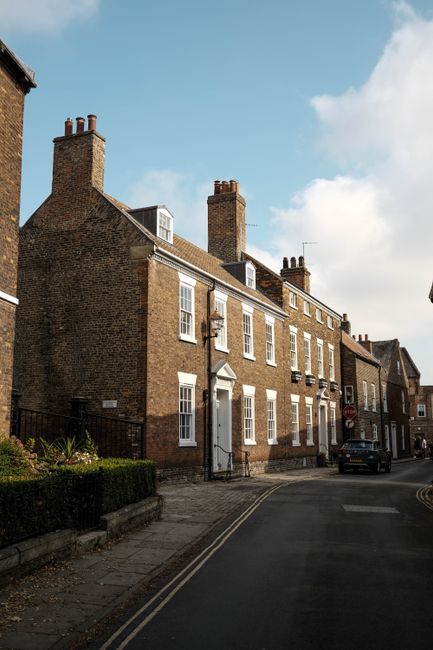
Imagine a small two-bedroom flat just off Kingsbury High Road. The property has a narrow internal stairwell, and the front entrance sits close to a road where parking fills up quickly. The move includes a bed frame, a sofa, a dining table, six medium boxes, a washing machine, and several bags of clothing.
At first glance, the job looks straightforward. But a large van would be hard to place without blocking the road, and carrying the sofa from far down the street would add unnecessary strain. So the move is planned with a smaller vehicle, a short loading window, and a clear lift path from the doorway to the kerb.
On the day, the crew arrives early enough to assess the parking space, protects the doorway, and loads the washing machine before the lighter items. One person manages the street side while the other handles the interior carry. A few minutes are lost when a delivery vehicle passes and everyone waits politely. That is fine. Better to wait than force the issue.
By the time the last box is loaded, there is no damage, no rushed lifting, and no neighbour complaint. Not glamorous. But smooth. And smooth is what you want on a narrow road.
Practical Checklist
Use this checklist before moving day. It is simple, but it covers the stuff people forget when they are busy juggling tape, paperwork, and sheer nerves.
- Confirm the moving date and access time.
- Measure large furniture and awkward corners.
- Check whether the street can handle the chosen vehicle.
- Plan where the van will stop and how long it can remain there.
- Protect floors, door frames, and corners.
- Label boxes by room and priority.
- Separate fragile items and valuables.
- Prepare bags for screws, cables, and fittings.
- Keep keys, documents, and essentials together.
- Allow extra time for traffic, weather, and loading delays.
- Check the destination access as well as the departure point.
- Use a service level that matches the job, not just the budget.
If you are still weighing up the best support, it may help to look at home moves alongside house removals and broader removals van options, depending on how much space and labour your move really needs.
Conclusion
Kingsbury High Road demands a more thoughtful approach than a wide-open suburban road. That does not mean the move has to be difficult. It just means the details matter more. Vehicle size, parking position, item dimensions, carrying distance, timing, and street awareness all play a part in whether the day feels controlled or chaotic.
The best narrow-street removals are the ones that look simple from the outside because they were planned properly from the beginning. That is the real takeaway here. If you prepare well, choose the right vehicle, and treat access as a core part of the move rather than an afterthought, you give yourself a much better chance of a calm result.
Get a free quote today and see how much you can save.
And if all you do after reading this is check the parking space a little more carefully, that is already a good start. Sometimes that one extra look saves the whole day.
Frequently Asked Questions
What makes Kingsbury High Road removals different from a normal house move?
The main difference is access. Narrow streets, parking pressure, and busy traffic can affect where the vehicle can stop and how the crew moves items in and out. That changes the whole rhythm of the job.
Is a smaller van better for a narrow-street move?
Often, yes. A smaller van may be easier to park and position close to the property, which can reduce carrying distances and make loading safer. It depends on the load size, though.
How do I know if my furniture will fit through tight spaces?
Measure the furniture, then measure the route, including corners and doorways. Do not forget to account for how the item needs to be tilted or turned. That is where surprises usually happen.
Should I book removals in advance for Kingsbury High Road?
Yes, especially if you need a specific time window or expect limited parking. Advance planning helps with vehicle choice, staff allocation, and access checks.
What if the van cannot park directly outside my property?
Then the move needs a revised loading plan. The team may need to use a slightly longer carry route, reposition the vehicle, or stage items in smaller batches. It is manageable if planned for.
Can narrow-street removals work for office moves too?
Absolutely. Small office relocations often involve equipment, files, and furniture that benefit from careful route planning and a well-timed loading schedule.
Do I need packing help for a narrow-street move?
Not always, but packing support can be very useful if you have fragile items, a lot of boxes, or limited time. Good packing makes loading quicker and safer.
What are the biggest risks in a tight-access removal?
The main risks are damage to property, awkward lifting, delayed loading, and poor parking decisions. None of those are dramatic on their own, but together they can make the day messy.
How early should I prepare for moving day?
As early as you reasonably can. Even a few days of preparation helps, but a proper plan should begin as soon as the move date is fixed. Early checks reduce pressure later.
Is insurance important for a narrow-street move?
Yes. Tight access increases the importance of protection against accidental damage. It is sensible to ask how the mover handles safety and insurance before booking.
What should I do if my building has shared access or a communal entrance?
Check the building rules, keep shared areas protected, and make sure the move does not block other residents for longer than needed. A bit of courtesy goes a long way in communal spaces.
How do I choose between a man and van and a full removal service?
Think about load size, access, timing, and how much help you need with carrying and coordination. A man and van setup can be ideal for smaller, tighter moves, while fuller removals suit larger household or business jobs.
What is the best way to avoid delays on Kingsbury High Road?
Book a sensible time slot, choose the right vehicle, pre-pack properly, and check both the departure and arrival access. The move goes better when the plan fits the street instead of fighting it.